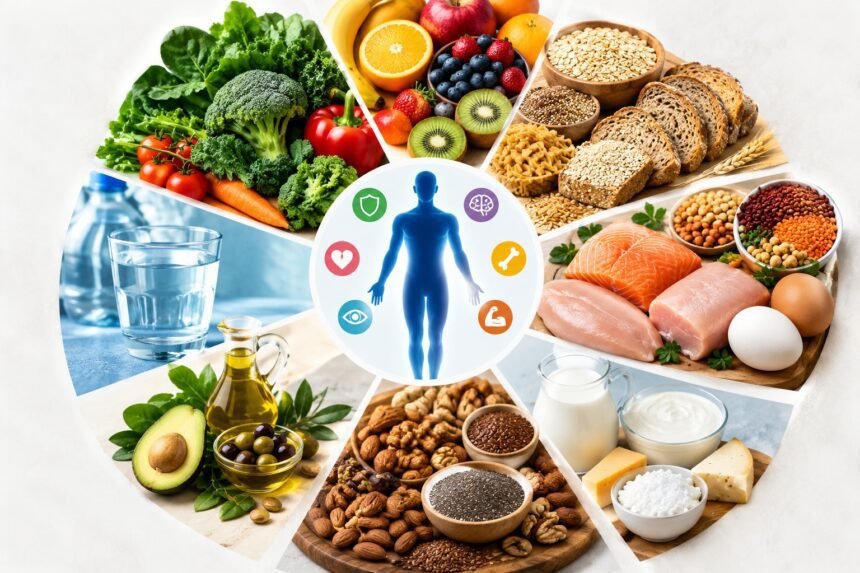
Your body needs more than just food to stay healthy. It depends on a steady supply of essential nutrients to produce energy, repair cells, strengthen bones, support the immune system and keep vital organs functioning properly. When your diet lacks important nutrients, you may experience tiredness, poor concentration, weak muscles and other health problems over time.
A balanced diet provides the vitamins, minerals, proteins, fats and other nutrients your body needs to perform its daily functions. While no single food can provide everything, eating a variety of nutritious foods can help maintain good health.
Here are 10 important nutrients and why your body needs them.
## 1. Protein — Essential for Growth and Repair
Protein plays a major role in building and repairing muscles, skin and other body tissues. It also helps produce enzymes, hormones and antibodies that support important functions.
Your body needs protein regularly, especially when recovering from illness, exercising or repairing damaged tissues.
**Food sources:** Eggs, fish, chicken, milk, yogurt, beans, lentils, nuts and seeds.
## 2. Carbohydrates — Your Body’s Main Energy Source
Carbohydrates provide the energy your brain, muscles and other organs need to function. They are particularly important for physical activity and normal brain function.
Choosing complex carbohydrates instead of relying mainly on sugary foods can help provide more sustained energy.
**Food sources:** Whole grains, oats, brown rice, fruits, vegetables and beans.
## 3. Healthy Fats — Support Brain and Heart Health
Not all fats are harmful. Healthy fats help the body absorb vitamins A, D, E and K, support brain function and contribute to healthy cells.
Unsaturated fats are generally better choices than excessive saturated and trans fats. Omega-3 fatty acids are particularly important for brain and heart health.
**Food sources:** Olive oil, avocados, walnuts, flaxseeds, chia seeds and oily fish.
## 4. Fiber — Important for Digestion
Fiber supports a healthy digestive system and helps prevent constipation. It can also help regulate blood sugar levels, support healthy cholesterol levels and keep you feeling full for longer.
Many people do not consume enough fiber because their diets lack fruits, vegetables and whole grains.
**Food sources:** Apples, pears, beans, lentils, oats, broccoli, carrots and whole-wheat foods.
## 5. Vitamin A — Protects Vision and Immunity
Vitamin A supports normal vision, healthy skin, cell growth and the immune system. It is especially important for maintaining the health of the eyes and body tissues.
A lack of vitamin A can affect vision, particularly in low-light conditions.
**Food sources:** Carrots, sweet potatoes, spinach, pumpkin, eggs and dairy products.
## 6. Vitamin C — Supports Immunity and Healing
Vitamin C is an antioxidant that protects cells from damage. It helps the body produce collagen, a protein needed for healthy skin, blood vessels, bones and wound healing.
It also improves the absorption of iron from plant-based foods.
**Food sources:** Oranges, lemons, guavas, strawberries, kiwi, bell peppers and tomatoes.
## 7. Vitamin D — Strengthens Bones and Muscles
Vitamin D helps the body absorb calcium, making it essential for strong bones and teeth. It also supports muscle function and the immune system.
Low vitamin D levels can contribute to weak bones and muscle problems. Sunlight exposure, diet and supplements when medically needed can help maintain adequate levels.
**Food sources:** Fatty fish, egg yolks, fortified milk and fortified cereals. Sunlight also helps the body produce vitamin D.
## 8. Calcium — Builds Strong Bones and Teeth
Calcium is one of the most important minerals in the human body. Most of it is stored in bones and teeth, while the remaining amount helps muscles contract, nerves transmit signals and blood clot properly.
Getting enough calcium throughout life helps maintain bone strength.
**Food sources:** Milk, yogurt, cheese, fortified plant-based milk, tofu and leafy green vegetables.
## 9. Iron — Helps Carry Oxygen Throughout the Body
Iron is essential for producing hemoglobin, a protein in red blood cells that carries oxygen from the lungs to the rest of the body.
Insufficient iron can lead to iron-deficiency anemia, which may cause fatigue, weakness, dizziness and difficulty concentrating. People with higher iron requirements should pay particular attention to their intake.
**Food sources:** Red meat, chicken, fish, lentils, beans, spinach and iron-fortified cereals.
## 10. Water — Essential for Every Body Function
Water is often overlooked, but it is one of the body’s most important daily needs. It helps regulate body temperature, transport nutrients, support digestion, remove waste and maintain normal blood circulation.
Even mild dehydration can affect energy, concentration and physical performance. Fluid needs vary depending on activity, weather, health and diet.
**Sources:** Drinking water, milk, soups, fruits and vegetables with high water content.
## How to Make Sure Your Body Gets Enough Nutrients
A healthy diet does not need to be complicated. Small daily choices can make a significant difference:
– Include different fruits and vegetables in your meals.
– Choose whole grains instead of mostly refined carbohydrates.
– Eat protein-rich foods regularly.
– Include healthy fats from nuts, seeds and fish.
– Drink enough water throughout the day.
– Include calcium- and iron-rich foods in your diet.
– Avoid relying heavily on highly processed foods and sugary drinks.
Nutrient requirements are not the same for everyone. Age, lifestyle, pregnancy, health conditions and physical activity can all affect how much your body needs. Supplements should not replace a balanced diet and are best used when there is a specific need.
## Final Thoughts
Your body depends on essential nutrients every day to maintain energy, protect against illness, repair tissues and support the proper functioning of vital organs. A lack of important nutrients may not always produce immediate symptoms, but poor dietary habits can affect long-term health.
The key is variety and balance. By including nutrient-rich foods in your daily meals, you can give your body the support it needs to stay strong, active and healthy.