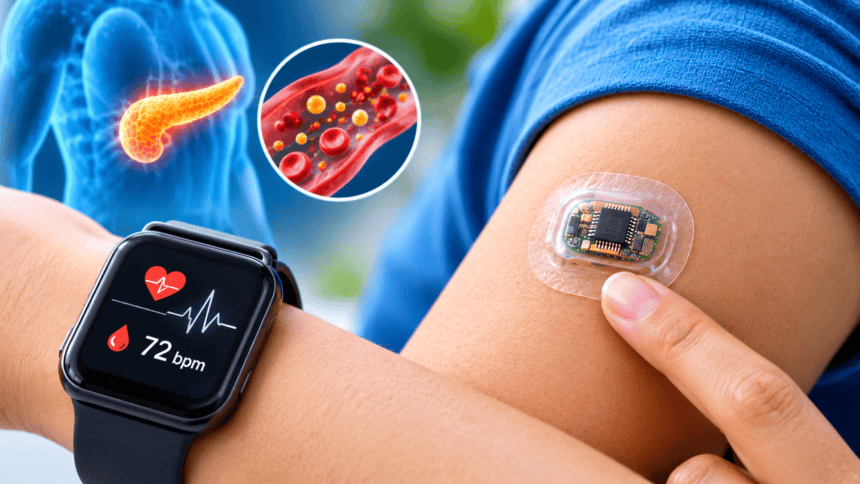
Researchers Develop Experimental Device to Control Blood Sugar Without Drugs
Scientists at ETH Zurich in Switzerland have developed an experimental electronic implant that could offer a new approach to treating Type 2 diabetes without relying on traditional medications or insulin injections.
The wireless implant uses a specially designed electrical catalyst to remove excess glucose from the bloodstream. Instead of helping the body absorb sugar, the device converts glucose into gluconate, a harmless compound that the kidneys can filter out and eliminate through urine.
How Does the Implant Work?
The implant contains a combination of graphite, gold nanoclusters and platinum nanoparticles. When activated by low-voltage electricity, these materials trigger a chemical reaction that converts excess blood sugar into gluconate.
The device is designed to work alongside a continuous glucose monitoring system. When blood sugar rises, the monitoring system can activate the implant wirelessly. It switches off once glucose levels return to a safer range.
Successful Results in Diabetic Mice
In experiments involving diabetic mice, the implant brought elevated blood sugar levels back to normal within approximately 60 to 90 minutes.
After six weeks of treatment, the animals also experienced weight reductions of up to 10 percent, along with lower levels of triglycerides, a type of fat found in the blood.
Researchers reported that the device was well tolerated during the experiments, with no detectable adverse physiological effects.
Human Trials Still Awaited
Despite promising results, the technology remains experimental and has not yet been tested in humans.
Researchers plan to conduct further studies in larger animals, including pigs and sheep, before considering human clinical trials. Experts have also highlighted the need to investigate potential risks, including the effects of gluconate accumulation and changes in essential electrolytes.
If future studies establish its safety and effectiveness, the technology could open a new direction in diabetes treatment.