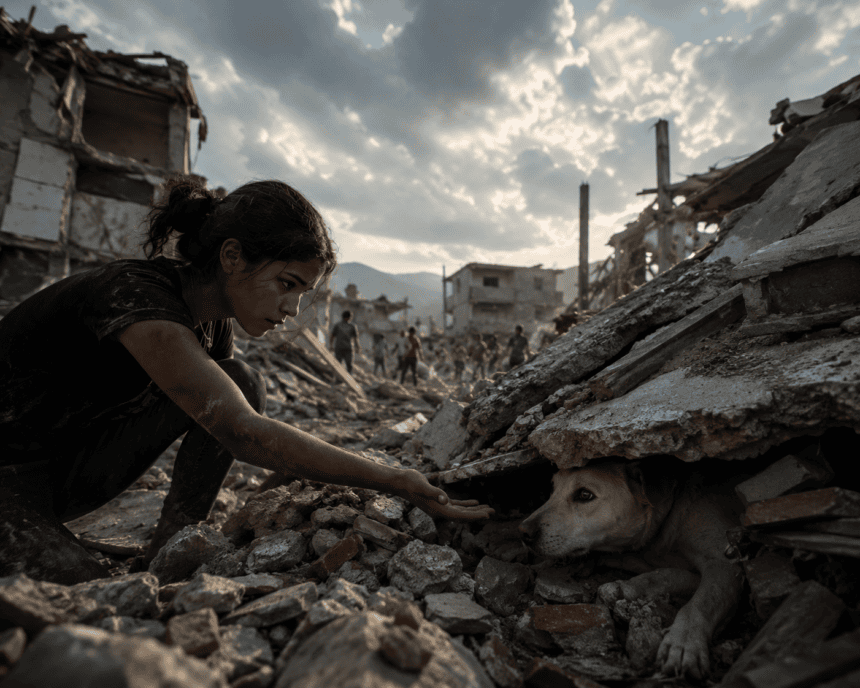
Headline: Abandoned in Caracas: The desperate hunt for Venezuela’s forgotten pets
CARACAS — The sound of scratching against a locked door has become the new soundtrack of Caracas’ abandoned apartment blocks. As thousands of Venezuelans flee the country’s economic collapse, a quiet crisis is unfolding in the hallways they left behind: thousands of pets, locked inside empty homes, are waiting for owners who aren’t coming back.
The exodus is no longer just a human migration; it’s a trail of abandoned animals. Animal welfare groups estimate that tens of thousands of dogs and cats have been left to fend for themselves in the capital alone. Some are pushed out onto the streets, while others remain trapped in apartments, surviving on whatever dry food was left in a bowl or, more often, nothing at all.
“It’s a brutal choice,” said Maria Elena, a local volunteer who runs a makeshift shelter in the outskirts of the city. “People leave with one suitcase and a prayer. They tell themselves they’ll send for the dog later, but the money never comes. The dog stays behind, and eventually, the neighbors hear the silence.”
The reality for these animals is grim. Caracas’ municipal animal control services have effectively ceased operations due to a lack of funding and fuel. Without a state-run safety net, the burden has fallen on a fractured network of volunteers who lack the resources to rescue more than a fraction of the displaced pets.
Many residents, desperate to keep their pets, have resorted to extreme measures. Some attempt to pay neighbors to feed their animals, a practice that fails as soon as the neighbor themselves decides to emigrate. Others simply leave the front door cracked open, hoping the animal will find its way to a local market or a sympathetic stranger.
For those left in the city, the sight of a pedigreed dog scavenging in a trash pile has become a common, if painful, sight. Veterinary clinics are shuttered or stripped of basic supplies like vaccines and anesthesia. Even if a volunteer manages to pull a starving animal from an apartment, there is rarely a permanent home waiting for it.
The crisis highlights the depth of the social fabric fraying in Venezuela. When the basic needs of humans—food, medicine, and electricity—go unmet, the welfare of domestic animals becomes a secondary concern, even for those who once treated their pets as family members.
“We aren’t just losing people,” Elena added, looking at a crate of rescued kittens. “We are losing the parts of our lives that kept us feeling human. When you leave your dog behind, you’re admitting that the life you knew is gone for good.”
As the political and economic uncertainty continues, the search for these pets remains a desperate, grassroots effort. There is no government policy to address the abandonment, and with the borders still seeing a steady flow of departures, the number of “forgotten” animals in the city’s rubble is only growing.