Black gram, commonly known as Urad Dal, is one of the most nutritious legumes used in South Asian cooking. Whether it’s prepared as dal, dosa, idli, or added to soups and curries, this humble pulse is packed with nutrients that support overall health.
Rich in protein, dietary fiber, vitamins, and minerals, urad dal has been a staple food for centuries. It is affordable, versatile, and an excellent addition to a balanced diet.
Let’s take a closer look at why black gram deserves a place on your plate.
What Is Black Gram?
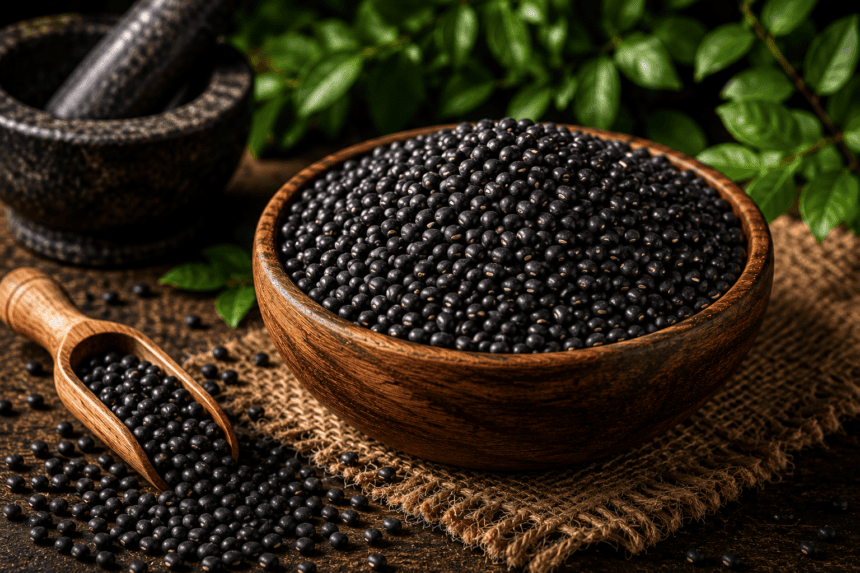
Black gram (Vigna mungo) is a small black bean with a creamy white interior. After removing its black skin, it becomes the white urad dal commonly used in many traditional dishes.
It has a mild, earthy flavor and is known for its high nutritional value.
Nutritional Value
A serving of cooked black gram provides several important nutrients, including:
- Plant-based protein
- Dietary fiber
- Iron
- Potassium
- Magnesium
- Calcium
- Folate
- B vitamins
It also contains complex carbohydrates that provide long-lasting energy.
1. A Rich Source of Plant Protein
Protein is essential for building muscles, repairing tissues, and maintaining healthy body functions.
Black gram is an excellent source of plant protein, making it especially valuable for vegetarians and people looking to diversify their protein intake.
Pairing urad dal with rice or whole wheat can create a balanced and satisfying meal.
2. Supports Healthy Digestion
Urad dal contains dietary fiber, which supports normal digestion and regular bowel movements.
Fiber also feeds beneficial gut bacteria, helping maintain a healthy gut microbiome.
To avoid digestive discomfort, increase fiber intake gradually and drink plenty of water.
3. Helps Keep You Full
Because black gram contains both protein and fiber, it can help you feel satisfied for longer after meals.
Including it in your diet may reduce unnecessary snacking and support healthy weight management when combined with an active lifestyle.
4. Supports Heart Health
Black gram contains potassium and magnesium, minerals that play important roles in normal heart and muscle function.
Replacing highly processed foods with nutrient-rich legumes like urad dal can contribute to a heart-healthy eating pattern.
5. A Good Source of Iron
Iron helps your body produce hemoglobin, the protein in red blood cells that carries oxygen throughout the body.
Eating iron-rich foods as part of a balanced diet helps support normal energy levels and healthy blood production.
Combining black gram with vitamin C-rich foods like tomatoes, lemons, or bell peppers may improve iron absorption.
6. Provides Steady Energy
Unlike refined carbohydrates, urad dal contains complex carbohydrates that are digested more slowly.
This helps provide a steady release of energy throughout the day.
Healthy Ways to Enjoy Black Gram
You can include urad dal in your meals by preparing:
- Traditional Urad Dal
- Dal Makhani
- Idli and Dosa batter
- Healthy soups
- Lentil salads
- Stuffed parathas
- Mixed vegetable curries
Using less oil and salt while adding herbs and spices can make these meals even healthier.
Are There Any Precautions?
Black gram is generally safe for most healthy people.
Because it is rich in fiber, eating large amounts suddenly may cause bloating or gas. Soaking the lentils before cooking and introducing them gradually into your diet may improve digestibility.
The Bottom Line
Black gram is a powerhouse of nutrition. Rich in protein, fiber, iron, and essential minerals, it supports digestion, heart health, and overall well-being.
Whether you enjoy it in traditional recipes or modern healthy meals, Urad Dal is a nutritious food that deserves to be part of a balanced diet.