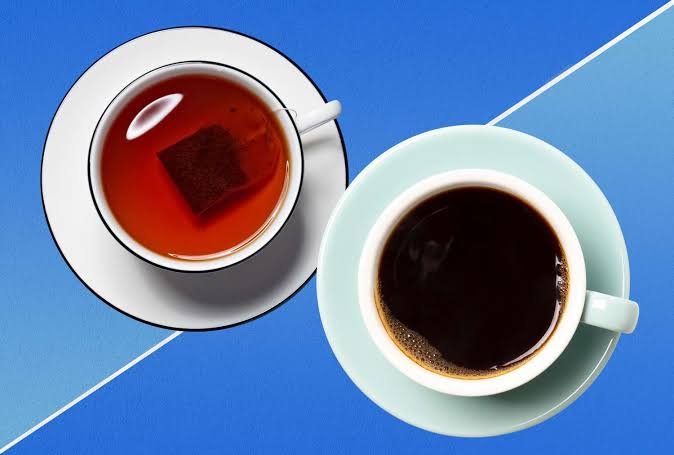
Coffee and tea are among the world’s most popular beverages, but when it comes to liver health, coffee may have a slight advantage, according to nutrition experts and recent research.
Both drinks contain natural plant compounds with antioxidant and anti-inflammatory properties that may help protect the liver. However, scientific evidence linking coffee consumption to better liver outcomes is currently stronger than the evidence available for tea.
How Coffee Supports Liver Health
Research suggests that regular coffee consumption may help reduce inflammation and lower the risk of several liver conditions, including cirrhosis and liver cancer.
Coffee contains beneficial compounds such as caffeine and chlorogenic acids, which may offer antioxidant and anti-inflammatory effects.
A large study involving more than 355,000 adults found that regular coffee drinkers had lower risks of cirrhosis and liver-related death compared with people who did not drink coffee.
Interestingly, potential liver benefits have also been observed with decaffeinated coffee, suggesting that caffeine is not the only compound responsible.
How Tea Benefits the Liver
Tea also contains natural compounds that may support liver health.
Green and black tea contain polyphenols, particularly catechins, which have antioxidant and anti-inflammatory properties.
Green tea has received particular attention because it contains epigallocatechin gallate (EGCG), a compound being studied for its potential role in protecting against metabolic dysfunction-associated steatotic liver disease (MASLD), commonly known as fatty liver disease.
Some research has also linked green tea consumption with a lower risk of liver cancer.
However, researchers say that more studies are needed to establish the long-term effects of different types of tea on liver health.
Coffee vs. Tea: Which One Is Better?
According to nutrition experts, coffee currently has a stronger body of scientific evidence supporting its potential liver benefits.
Studies have repeatedly associated coffee consumption with lower risks of liver disease, liver scarring and liver cancer.
Tea also offers potential health benefits, particularly through its antioxidant compounds, but the available evidence is comparatively limited.
Experts emphasize that people who prefer tea do not need to switch to coffee solely for liver health. Both beverages can be included in a balanced diet.
What You Add to Your Drink Also Matters
The health benefits of coffee and tea may be affected by additional ingredients.
Adding large amounts of sugar, flavoured syrups, sweetened creamers or high-calorie toppings can increase daily calorie and sugar intake.
Excessive sugar consumption may contribute to weight gain and fat accumulation in the liver.
For better overall health, experts recommend choosing unsweetened coffee or tea and keeping additional ingredients to a minimum.
Healthy Lifestyle Remains Most Important
Although coffee and tea may support liver health, neither beverage can prevent or treat liver disease on its own.
Maintaining a healthy weight, eating a balanced diet, staying physically active and limiting alcohol consumption remain important steps in protecting the liver.
The key takeaway is that coffee may have a slight advantage based on current research, but both coffee and tea can be part of a liver-friendly lifestyle.