
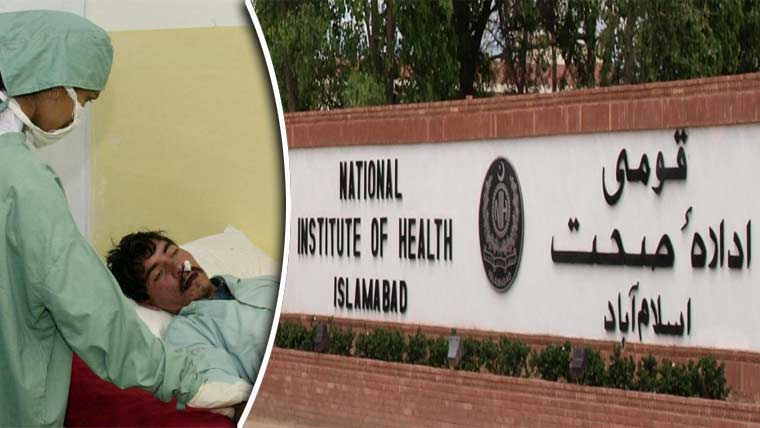
The health institute has directed timely measures in view of the risk of Congo fever during Eid-ul-Adha and has urged health institutions to remain alert to prevent the disease.
Congo fever is a dangerous viral disease spread by a Nairovirus. The virus is transmitted to humans through tick bites and contact with the blood of infected animals. It can also spread from an infected person to another human.
The first case of Congo fever in Pakistan was reported in 1976. The highest number of cases has been reported in Balochistan, while cases continue to be reported in Punjab, Sindh, and Khyber Pakhtunkhwa.
In 2024, 61 cases were reported with a mortality rate of 15 percent. In 2025, the cases increased to 82 with 20 deaths reported. By March 2026, 4 cases have been reported across the country.
During Eid-ul-Adha, the movement of animals increases the risk of the spread of the disease. The public has been advised to take precautionary measures, including wearing light colored clothes and removing ticks immediately.
The institute has advised avoiding areas with ticks and emphasized the use of gloves while slaughtering animals, protection from blood exposure, and safe disposal of animal waste.