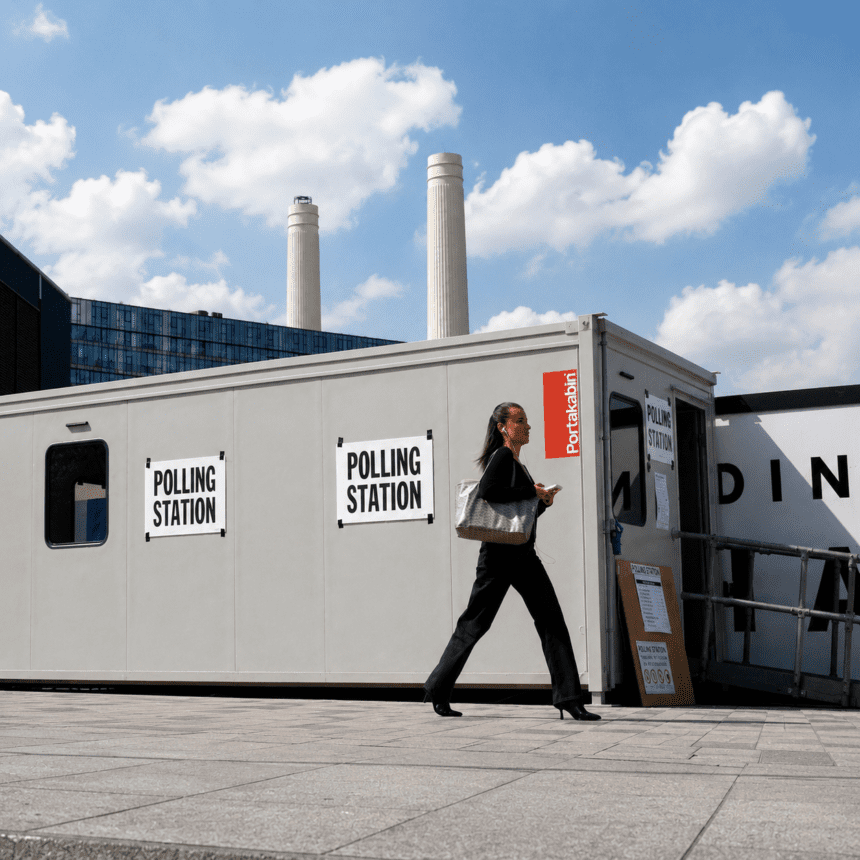
Early results from Britain’s 2026 local elections point to a rough night for Prime Minister Keir Starmer’s Labour Party, with significant seat losses already recorded in England and growing signs that Reform UK is cutting into Labour’s support in areas once considered dependable. Associated Press reported that partial results showed Labour losing ground while Reform posted notable gains, especially in working-class areas such as Hartlepool.
The broader picture looks even more unsettling for Labour because this is not being read as a normal midterm wobble. The Financial Times said Labour had already lost around 200 seats and control of eight councils as pressure mounted on Starmer, while the Guardian described the results as a disastrous night that put renewed focus on his leadership.
Reform UK appears to be one of the clearest beneficiaries. Reporting from AP and the Guardian says Nigel Farage’s party made strong gains in Labour-held territory and took control of Newcastle-under-Lyme, underlining a wider political shift that is breaking up old voting loyalties. Analysts quoted by AP said Britain now looks increasingly fractured, with no single party commanding a dominant share of the vote.
Labour’s problems are not limited to one region. The Guardian’s live results coverage said the party had lost more than 1,200 council seats in England, even if that was somewhat less severe than the bleakest forecasts before polling day. Sky News also reported that Labour had lost control of core councils as Reform made big gains, reinforcing the sense that voters were using these elections to send a warning rather than quietly register dissatisfaction.
There is a wider political story here too. While Labour is taking the sharpest immediate hit in the headlines, the local elections also suggest a more splintered landscape in which Reform, the Liberal Democrats and Greens are all finding openings. That matters because it changes the meaning of the result: this is not just about one party slipping, but about British politics becoming less comfortably two-party than it once looked.
For Starmer, that is the real warning sign. A bad election can sometimes be explained away. A pattern of losses, public criticism and voter drift toward insurgent parties is harder to brush aside. With more results still to come, the early trend already suggests Labour is facing not merely embarrassment, but a serious political problem.