Global temperatures are set to climb as an El Niño weather pattern takes hold, ending a three-year streak of cooler conditions. Scientists at the World Meteorological Organization (WMO) confirmed the arrival of the phenomenon this week, projecting a surge in heat and shifting rainfall patterns that will likely disrupt agriculture and ecosystems worldwide.
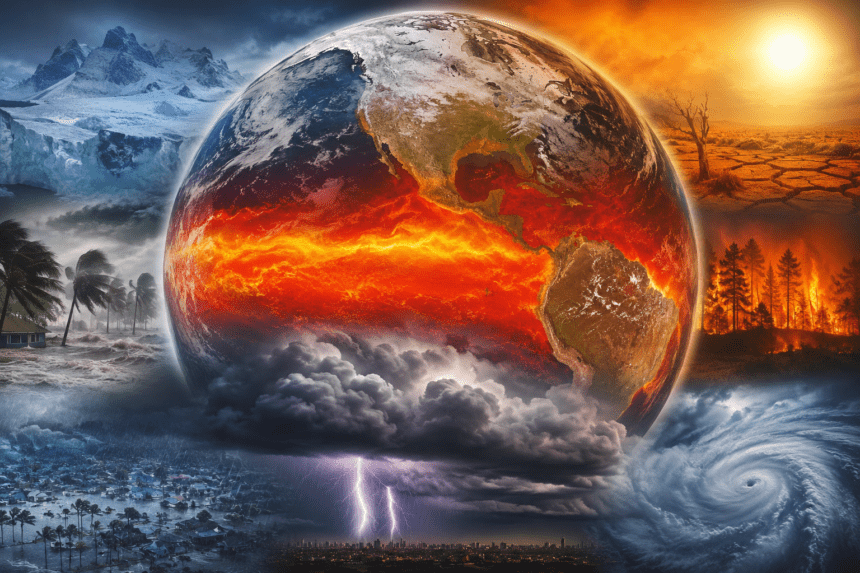
This warming of the central and eastern tropical Pacific Ocean isn’t just a scientific curiosity—it’s a direct threat to global climate stability. While the full strength of this cycle remains to be seen, the transition from the cooling La Niña phase to El Niño typically triggers record-breaking heat years. The last time the world experienced a strong El Niño in 2016, it became the hottest year on record.
“The onset of El Niño will greatly increase the likelihood of breaking temperature records and triggering more extreme heat in many parts of the world and in the ocean,” WMO Secretary-General Petteri Taalas said in a briefing.
For farmers and energy grids, the stakes are immediate. El Niño historically brings drought to parts of Southeast Asia and Australia, while drenching regions in South America and the southern United States. These shifts aren’t just statistical anomalies; they dictate food prices, wildfire risks, and water security for millions.
Meteorologists emphasize that this cycle is arriving on top of a planet already reeling from human-induced climate change. The “background” warming caused by greenhouse gas emissions acts as a force multiplier, meaning even a moderate El Niño event could result in temperatures that would have been unimaginable twenty years ago.
The phenomenon is expected to persist through the remainder of the year, with its peak intensity likely arriving in late 2023 or early 2024. While the exact duration remains uncertain, the initial data suggests this event will be “at least moderate” in strength.
Governments are now scrambling to adjust emergency response plans. In regions prone to floods, infrastructure is being tested for capacity. In drought-prone areas, water rationing protocols are being dusted off.
The arrival of El Niño is a stark reminder that the climate system is not static. It’s a volatile, interconnected machine, and for the next eighteen months, the Pacific is once again in the driver’s seat.