Urdu-language tax returns to be formally launched by July 30; PM Shehbaz orders taxpayer helpline and Urdu digital invoicing
The Federal Board of Revenue (FBR) will begin rolling out simplified digital tax return forms for salaried individuals from July 15, as part of sweeping reforms to enhance tax compliance, ease filing processes, and widen the national tax base.
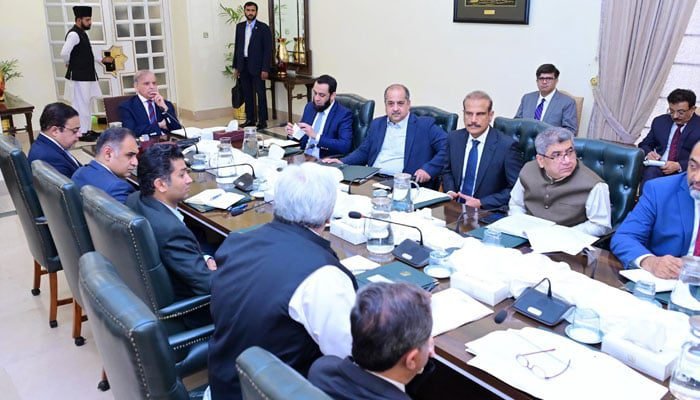
The development was announced during a high-level meeting chaired by Prime Minister Shehbaz Sharif to review progress on the FBR’s digitisation efforts, including the deployment of an AI-based assessment system and other structural upgrades.
According to official briefings, the new tax return forms are concise, user-friendly, and now available in Urdu, with full Urdu-language functionality to be rolled out by July 30. The government believes this will significantly help salaried taxpayers navigate the filing process with greater ease.
PM Directs Supportive Measures
During the meeting, Prime Minister Shehbaz underscored the government’s commitment to making the tax process citizen-friendly and transparent.
“Our focus is on simplifying the tax system to ensure convenience for the common man. Tax reforms must reduce burden on the poor and encourage more people to enter the tax net,” the prime minister said.
He ordered the launch of a dedicated helpline to assist citizens in filing tax returns and stressed the need to launch digital invoicing in Urdu for broader accessibility. He also instructed that third-party validation be ensured for all FBR reforms to uphold transparency and accountability.
Push for Public Awareness and Inclusivity
The premier called for an aggressive public awareness campaign to inform citizens about the ease and benefits of filing digital returns, urging that small and medium enterprises (SMEs) receive special support in adopting digital invoicing and related reforms.
He praised Finance Minister Muhammad Aurangzeb, the economic team, the FBR chairman, and their staff, calling the implementation of the AI-based tax assessment system a historic achievement for Pakistan.
Major Updates in Digital Tax Infrastructure
Officials updated the prime minister on several digital initiatives:
Simplified tax returns, fully digitised and integrated with a central database.
Digital invoicing system, now mandatory for businesses of all sizes, requiring issuance of electronic receipts via the FBR’s online portal.
Advance goods declarations, allowing traders to submit declarations before ships dock, helping streamline cargo movement and tax exemptions.
Cargo tracking and e-bilty system, enabling real-time monitoring of goods and improved tax enforcement
Use of internationally recognised 8-digit HS Codes, aimed at eliminating fake invoices and improving transparency in trade.
Already, over 8,000 digital invoices worth Rs11.6 billion have been issued through the online system in just one month. An estimated 20,000 businesses are expected to join the platform in the coming months.
Officials added that businesses can join the digital invoicing system for free via PRAL (Pakistan Revenue Automation Ltd), and regular training sessions are being conducted to ease adoption.
Command & Control Center to Launch by September
The FBR’s central command and control unit, designed to oversee the new digital infrastructure and data systems, is expected to be fully operational by September. This unit will support real-time analytics, monitoring, and data-driven decision-making across the board.
Prime Minister Shehbaz Sharif concluded the meeting by reiterating that technology-led reforms are crucial for Pakistan’s economic stability, and vowed full government backing for FBR’s digital transformation agenda.