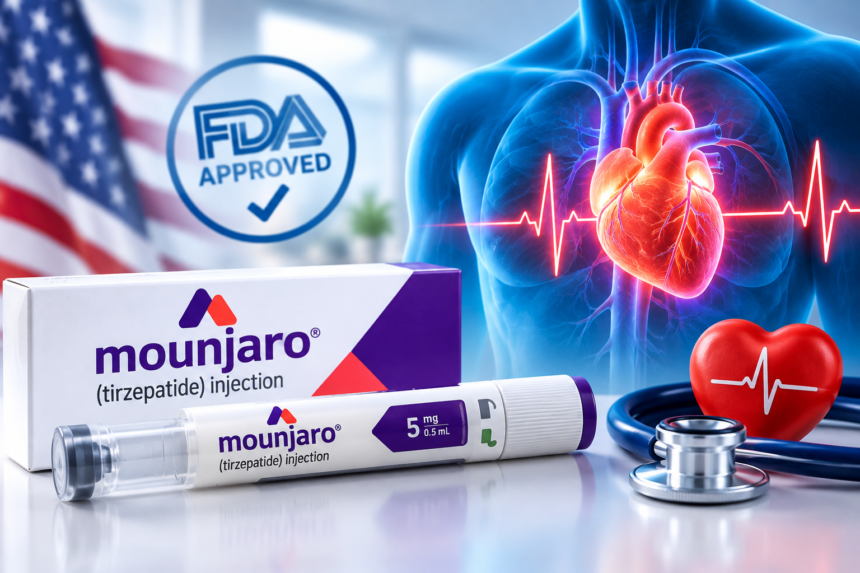
The FDA has cleared Eli Lilly’s Mounjaro to reduce the risk of major adverse cardiovascular events in adults with type 2 diabetes and established cardiovascular disease. This expansion of the drug’s label marks a significant shift in how doctors approach treatment, moving beyond simple blood sugar control to comprehensive organ protection.
The decision follows clinical data showing that tirzepatide—the active ingredient in Mounjaro—lowers the risk of heart attack, stroke, and cardiovascular death in high-risk patients. While originally approved for glucose management, the drug’s dual-action mechanism targeting GLP-1 and GIP receptors has demonstrated a clear secondary benefit for the heart.
“This isn’t just about the A1C numbers anymore,” said Dr. Sarah Jenkins, an endocrinologist familiar with the trial data. “We’re seeing tangible evidence that we can protect the heart while simultaneously managing metabolic health. It changes the conversation in the exam room.”
Patients already on the medication for diabetes management may see their insurance coverage shift as a result of this new indication. However, the move also puts pressure on the supply chain. Mounjaro and its weight-loss counterpart, Zepbound, have faced persistent shortages over the last year as demand from patients and physicians skyrocketed.
Eli Lilly faces a delicate balancing act. Expanding the label increases the pool of eligible patients, but the manufacturer must now prove it can meet that demand without further destabilizing the market.
For the millions of Americans living with both type 2 diabetes and heart disease, the approval offers a new standard of care. It provides a single therapeutic option that addresses their primary metabolic condition while mitigating their highest mortality risk.
The company expects the updated labeling to appear on packaging within the coming weeks, signaling a broader integration of GLP-1 medications into standard cardiovascular protocols.