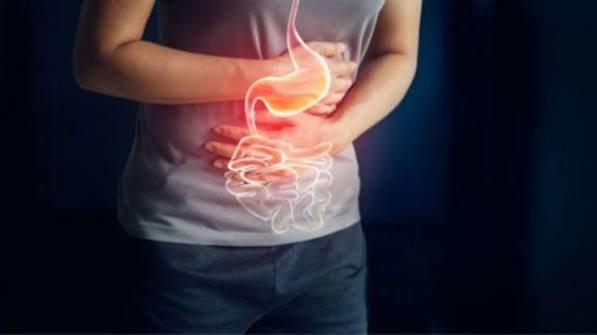
Foodborne illnesses, often considered short-term digestive infections, may leave some people with long-lasting gut problems, according to recent research and expert observations. People who recover from infections caused by bacteria, viruses or parasites can sometimes continue experiencing symptoms such as abdominal pain, diarrhea, bloating and changes in bowel habits for months or even years.
Experts say one possible consequence is post-infection irritable bowel syndrome (PI-IBS), a form of IBS that develops after an intestinal infection. Research suggests that around 10% to 20% of people who experience intestinal infections may later develop persistent symptoms.
A 2024 study highlighted differences based on the type of infection. About 11% of people infected with certain viruses developed post-infection IBS, compared with 18% among those infected with bacteria such as Campylobacter and Salmonella. Among people infected with parasites including Giardia and Trichinella, the rate was around 30%.
Researchers are still studying exactly how foodborne infections can produce long-term effects. One theory is that an infection may damage the intestinal lining, increasing its permeability and triggering immune responses that contribute to pain and diarrhea. Infections may also make nerves in the digestive system more sensitive, causing normal gas or intestinal movement to feel uncomfortable or painful.
Another possible factor is disruption of the gut microbiome. Foodborne infections may reduce or alter beneficial bacteria that help maintain the intestinal lining and support healthy digestion. Some bacteria, including Salmonella, Campylobacter and E. coli, can also produce toxins that may affect the nerves responsible for normal intestinal movement.
Not everyone who experiences food poisoning develops chronic symptoms, and many people recover completely. However, experts recommend seeking medical evaluation if symptoms such as persistent diarrhea, abdominal pain or digestive problems continue long after the original infection has cleared. Doctors may need to rule out an ongoing infection or other gastrointestinal conditions.
The findings highlight the importance of preventing foodborne infections through proper food handling, hygiene and safe preparation. They also suggest that recovery from food poisoning may sometimes require more attention than simply waiting for the initial symptoms to disappear.