WASHINGTON: Repeated outbreaks of foodborne illnesses have created growing challenges for major restaurant chains across the United States, leading to product recalls, lawsuits, regulatory scrutiny and, in some cases, declines in customer traffic and sales.
Chipotle Mexican Grill said on August 4 that it had removed jalapeños from its restaurants across Minnesota and other locations that received the same supplies after the peppers were identified as a possible source in an ongoing salmonella investigation by public health authorities.
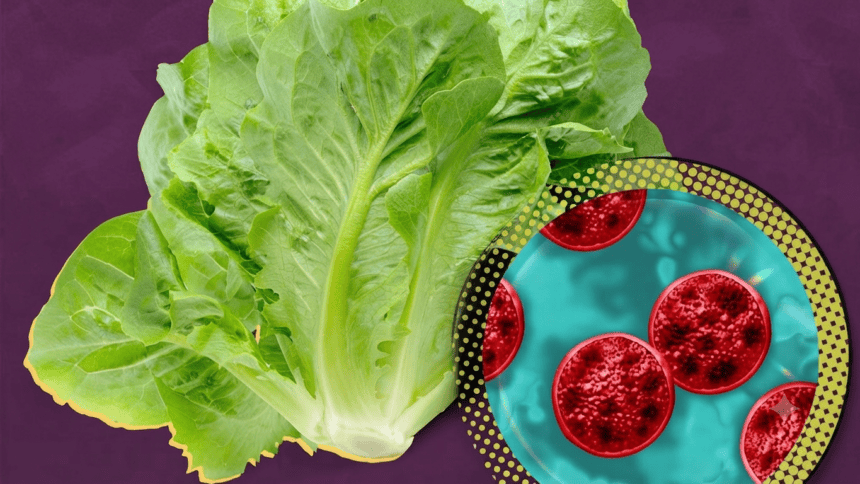
The investigation comes as concerns over food safety are already elevated in the US. Taco Bell has recently faced attention over an outbreak of the parasitic disease cyclosporiasis that was linked to iceberg lettuce served at its restaurants. The latest development has also renewed scrutiny of Chipotle’s previous food safety incidents.
The financial impact of foodborne illness outbreaks has differed significantly from one restaurant chain to another.
Analysts at RBC Capital Markets said the ongoing cyclosporiasis outbreak, combined with Chipotle’s decision to remove jalapeños associated with salmonella cases in Minnesota, could increase concerns among consumers and investors about food safety at restaurant chains.
According to TD Cowen analysts, a food safety incident involving McDonald’s in late 2024 affected the company for roughly one quarter, while a similar episode involving Wendy’s in 2022 did not appear to have a noticeable impact on its business.
However, some earlier outbreaks had much more serious consequences. A food safety crisis at Chipotle in 2015 led to a sharp decline in sales for several quarters. Similarly, an outbreak linked to Jack in the Box in 1993 resulted in a significant and prolonged drop in sales.
The contrasting outcomes highlight how the scale of an outbreak, the company’s response and consumer confidence can determine the long-term financial impact of food safety incidents on restaurant businesses.