Swabi: Gadoon Amazai Industrial Estate, once seen as a major industrial hub for Khyber Pakhtunkhwa, is slipping deeper into crisis as factory owners struggle with energy shortages, high tariffs, expensive bank borrowing and a lack of serious policy support.
Industrialists say the estate’s problems are no longer temporary disruptions. Many units are either closed, operating below capacity or surviving on thin margins. The biggest complaints are familiar but still painful: prolonged electricity outages, unreliable gas supply, rising input costs, heavy taxation and weak coordination between federal and provincial authorities.
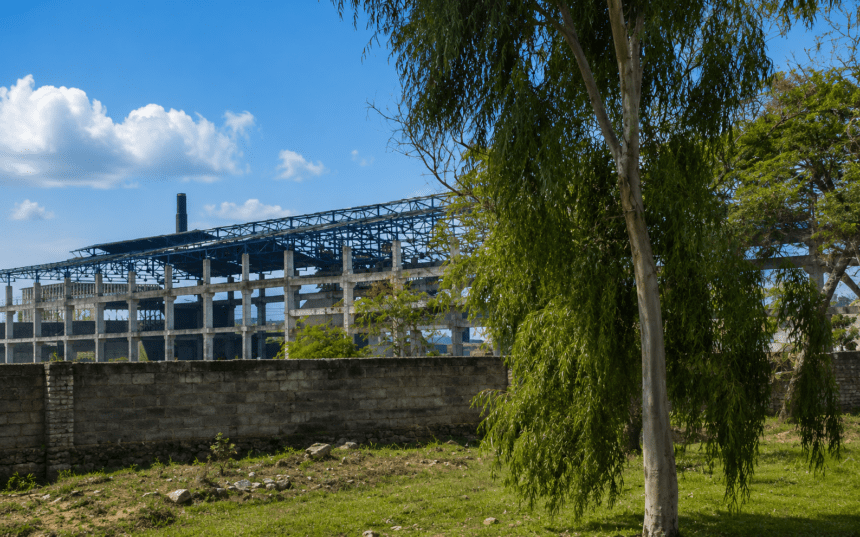
According to the latest reported figures, 165 units are currently operational in the estate, with around 80 running round-the-clock. More than 90 units are completely closed, while 47 units are under construction. For an industrial zone that was created to bring jobs and investment to the region, those numbers tell a troubling story.
The estate has industries linked to textiles, chemicals, plastics, food processing, ghee, steel and packaging. When these factories slow down, the impact travels beyond owners and balance sheets. Workers lose shifts. Transporters get fewer trips. Small vendors around the estate see sales drop. And in nearby areas, families that depend on factory wages feel the pressure almost immediately.
Factory owners argue that energy remains the core issue. They say frequent power outages disrupt production schedules and damage machinery, while high electricity tariffs make local manufacturers less competitive. Gas shortages have added another layer of uncertainty, especially for units that need steady fuel supply for continuous operations.
The cost of credit has made things worse. With borrowing still expensive, businesses are finding it hard to finance raw material purchases, upgrade machinery or restart closed units. For firms already dealing with delayed payments and rising taxes, even short-term working capital has become difficult to manage.
Industry representatives also complain that Gadoon has not received the kind of government attention it needs. The estate was once promoted as a vehicle for industrial growth and job creation in KP, but business owners say the infrastructure and policy support have failed to keep pace with their needs.
The crisis is not new. Earlier reports had already pointed to a sharp decline in functional units at the estate, with dozens of factories shut and many others operating under stress. Industrialists have repeatedly urged both the federal and KP governments to step in, improve power and gas supply, rationalise energy tariffs and provide relief on taxation and financing.
So far, those appeals have not produced the turnaround factory owners were hoping for.
The bigger worry is that Gadoon’s decline could weaken industrial confidence across the province. KP already faces challenges in attracting large-scale investment because of security concerns, distance from ports, high logistics costs and limited industrial infrastructure. If one of its key estates continues to struggle, potential investors may think twice before committing capital.
For workers, the issue is more direct. A closed factory means fewer jobs. A half-running factory means uncertain wages. And when uncertainty drags on, skilled labour starts moving elsewhere.
Industry leaders say Gadoon still has potential. The estate has land, established units, experienced labour and a history of manufacturing activity. But they argue that potential alone won’t keep factories alive. They want uninterrupted electricity, dependable gas, affordable financing and a clear industrial policy that treats KP’s manufacturing base as a priority, not an afterthought.
For now, Gadoon Amazai stands at a difficult point. It can either be revived through targeted support and practical fixes, or it can continue sliding into underuse — another example of Pakistan’s industrial promise being worn down by energy failures, policy delays and rising business costs.