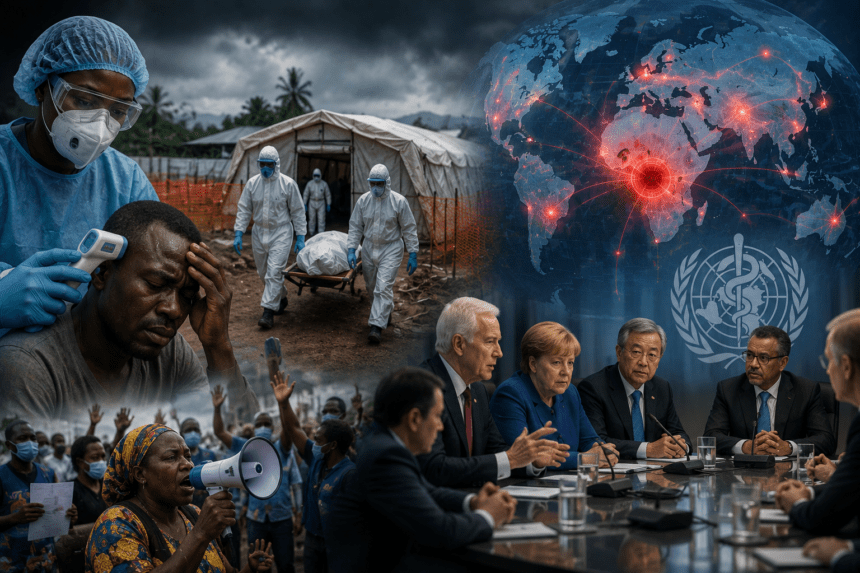
Global leaders, health experts, and humanitarian organizations have voiced growing concern over the spread of Ebola in parts of Africa, criticizing the international response as one driven by “panic and neglect.” They warned that the outbreak highlights deep inequalities in how the world handles public health emergencies.
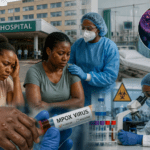
Experts say shortages of medical supplies, protective equipment, and trained healthcare workers are worsening the crisis in affected regions. Several leaders argued that outbreaks in poorer nations often receive less international attention and funding, leaving vulnerable populations at greater risk.
The World Health Organization (WHO) and partner agencies have warned that Ebola cases and deaths could rise further without urgent financial and medical support. Health officials stressed that containing the outbreak requires a coordinated global strategy, not just action from the affected countries.
Misinformation and fear have also complicated response efforts. In some communities, rumors and distrust of health teams have delayed testing, treatment, and contact tracing, allowing the virus to spread more easily.
World leaders are now calling for emergency funding, expanded access to vaccines and treatments, and long-term investment in strengthening health systems across affected countries. They argue that a fair and sustained global response is essential to prevent future outbreaks from becoming wider international crises.