LONDON: Gold prices steadied on Thursday as hopes of a possible US-Iran deal helped cushion the market, even as a firmer dollar, elevated Treasury yields and stubborn inflation concerns kept traders from making a bigger move into bullion.
Spot gold hovered around $4,528 an ounce, slipping slightly in early trade, while US gold futures also edged lower. The move was modest, but the message from the market was pretty clear: investors are watching diplomacy and inflation at the same time, and neither side has fully won the argument yet.
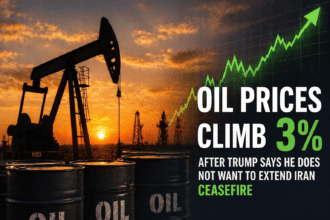
Gold usually benefits when geopolitical risks rise, but expectations that tensions linked to Iran could ease have taken some of the urgency out of safe-haven buying. At the same time, the metal remains supported by worries that inflation may stay sticky, especially if energy prices remain high.
The other pressure point is US interest rates. Higher Treasury yields make non-yielding assets like gold less attractive, and a stronger dollar also tends to weigh on bullion by making it more expensive for buyers using other currencies. That combination has kept gold from building fresh upward momentum, despite lingering nervousness in global markets.
US Treasury Secretary Scott Beset said elevated bond yields and energy prices could prove temporary and may ease if the Iran conflict ends. Still, central bankers have sounded more cautious, with inflation risks keeping the outlook for monetary policy uncertain.
Markets were also weighing expectations that the Federal Reserve may keep policy tighter for longer, or even raise rates later in the year if inflation refuses to cool. That’s not exactly the kind of backdrop gold bulls like.
For now, the metal appears caught between two competing forces. On one side, diplomatic hopes are reducing immediate safe-haven demand. On the other, inflation worries and global uncertainty are preventing a sharper sell-off.
Silver, platinum and palladium also traded cautiously, reflecting the broader mood across precious metals. Traders said the next clear move in gold will likely depend on whether there is real progress on the US-Iran front — and whether upcoming US economic data gives the Fed more reason to stay hawkish.