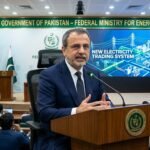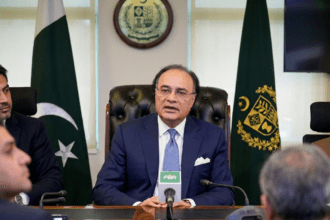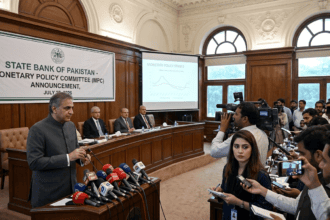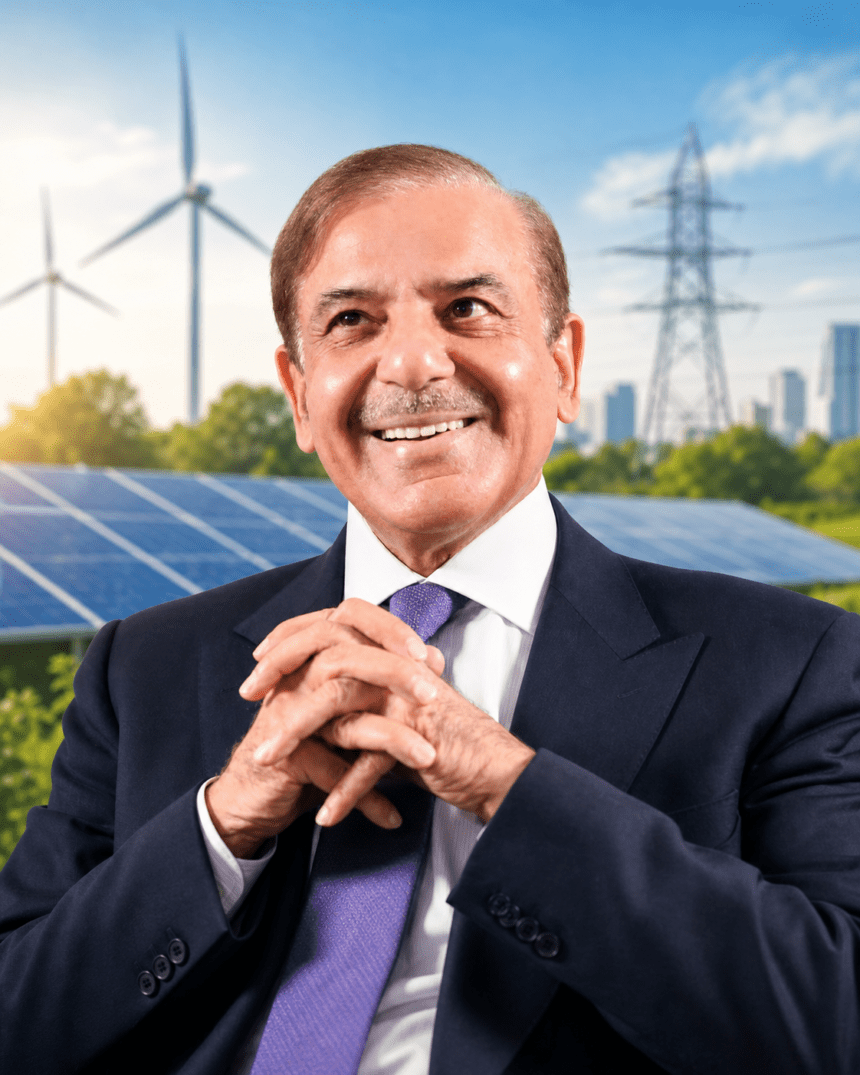
Prime Minister Shehbaz Sharif has ordered a fresh push on renewable energy and faster reforms in Pakistan’s power sector, telling officials to move on multiple fronts at once: cut electricity losses, curb theft, stabilise tariffs, modernise the grid and reduce the country’s reliance on imported fuel. The directions came during a high-level meeting on energy-sector reforms held in Lahore on May 2, 2026, where the prime minister also stressed uninterrupted electricity for industry and relief for household consumers.
At the heart of the message was a pretty simple calculation. Pakistan’s dependence on imported fuel keeps exposing the economy to global price shocks, and the government appears to be betting that more locally generated renewable power can soften that blow. Coverage of the meeting said Sharif specifically called for renewable energy projects to be accelerated to address power shortages and strengthen energy security, while also pushing the use of modern technology across the sector.
The meeting was not framed as a stand-alone clean-energy announcement. It was presented as part of a broader reform drive aimed at making electricity cheaper and the sector less wasteful. Sharif asked officials to prepare a comprehensive strategy to keep electricity tariffs stable, with domestic consumers described as a priority and industrial users also promised protection. He also pressed for improvements in the transmission system, where line losses have long eaten into efficiency and revenue.
That matters because Pakistan’s power crisis is not just about generation. Analysts have repeatedly pointed to outdated infrastructure, transmission losses, weak investment patterns and governance problems as reasons the system remains expensive and unreliable even when capacity exists on paper. A recent academic assessment of Pakistan’s electricity sector said the demand-supply gap has been worsened by aging infrastructure, losses in the network and inadequate investment in renewables.
There is also a political and economic urgency here. The government has spent recent months trying to show that power-sector reform is moving from slogans to implementation. Reporting in late April said Pakistan was presenting reforms to international partners that included grid digitisation, smart metering, transmission upgrades, battery storage and even discussion of changes in distribution companies. That suggests the prime minister’s latest order is part of a longer effort to remake how electricity is generated, delivered and paid for.
The import-dependence angle has become even harder for Islamabad to ignore. In separate remarks reported days later, Sharif warned that external turmoil had sharply increased Pakistan’s oil import burden, saying the country’s bill had climbed to about $800 million a week. That was linked to wider concern about how vulnerable Pakistan remains when international fuel markets turn volatile. Against that backdrop, the push for domestic renewables is not only about climate or long-term planning; it’s also about basic economic insulation.
Still, the transition won’t be straightforward. Pakistan’s solar uptake has risen quickly, helped by cheaper imported panels, but that has also created new stress for the grid and new arguments over net metering, cost-sharing and who ultimately pays for the system. Recent reporting has shown that while solar expansion is easing dependence on imported LNG and expensive grid power for some users, it is also forcing policymakers to rethink pricing and grid management much faster than before.
For now, the government’s line is clear enough: cleaner energy, lower waste, tighter enforcement and a more modern grid are supposed to work together, not separately. Whether that actually translates into lower bills and fewer shocks for consumers will depend on execution, and Pakistan’s power sector has a long history of making execution the hardest part. But the latest order signals that the Sharif government wants the next phase of reform to be judged not just by meetings and targets, but by whether it can finally make the system less import-heavy, less leaky and a lot more affordable.