The investigation into the catastrophic fire at Karachi’s Gul Plaza has hit a wall of skepticism. Legal experts and shop owners are now openly challenging the findings of the latest probe, calling the official report incomplete and willfully blind to the structural failures that turned the shopping center into a tinderbox.
Nearly a year after the blaze gutted dozens of shops, the police report submitted to the judicial magistrate has triggered backlash. Critics argue the document focuses on minor electrical faults while ignoring the systemic corruption that allowed the building to operate without a functional fire suppression system or emergency exits.
“They are chasing shadows,” said one shop owner who lost his entire inventory in the inferno. “The report blames a short circuit, but it doesn’t explain why the building’s fire hydrants were dry or why the emergency stairwells were packed with storage crates. It’s a clean-up job for the building management, not a real investigation.”
The primary contention lies in the forensic analysis. While the fire brigade’s initial report cited a lack of safety compliance as a major contributing factor, the current police filing barely mentions the building’s management committee. This omission has fueled allegations that the investigation was compromised from the start.
Local lawyers representing the affected traders are now filing a formal petition to challenge the report. They claim the investigative team failed to record statements from key witnesses who could have shed light on the maintenance negligence that preceded the fire.
“When you ignore the structural reality, you aren’t investigating a crime; you’re burying it,” said a senior attorney involved in the case. “We aren’t looking for a scapegoat in the electrical department. We want accountability for the people who signed off on those safety permits.”
As the court prepares for the next hearing, the pressure is mounting on the police to justify their methodology. For the traders left counting their losses, the official version of events isn’t just inaccurate — it’s a final insult.
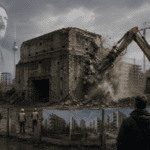
The court’s decision on whether to order a fresh, independent inquiry will likely set the tone for how the city handles commercial safety oversight moving forward. Until then, the charred remains of the plaza serve as a grim reminder of the gap between official findings and public reality.