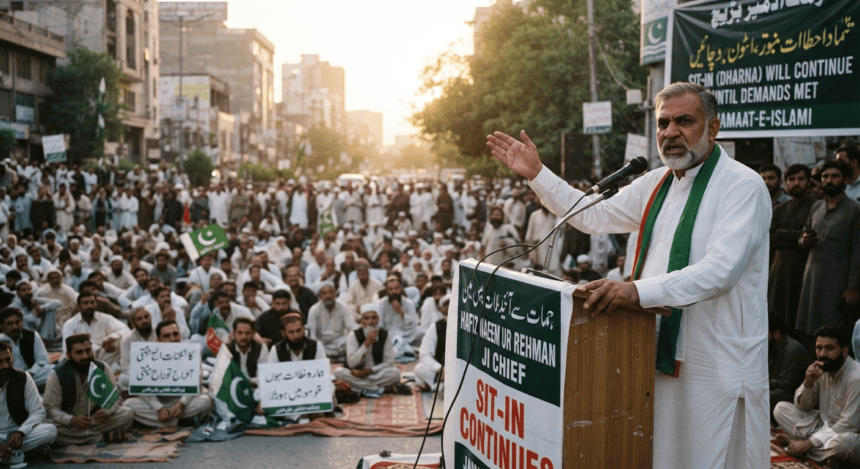
Jamaat-e-Islami (JI) chief Hafiz Naeem ur Rehman has made his position clear: the party’s ongoing sit-ins will not pause for the sake of negotiations with the government.
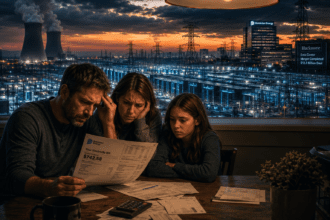
As teams from both sides prepare to meet, the JI leadership is refusing to clear the streets of Islamabad. The protests, centered on rising electricity costs and what the party calls “unjust” tax policies, have reached a critical juncture.
“We aren’t here to play games,” Naeem told reporters near the protest site. He insists that any dialogue held behind closed doors must not come at the cost of the movement’s momentum. For the JI, the sit-in is the only leverage they have left against a government struggling to manage an IMF-mandated fiscal tightening.
The government, meanwhile, is caught in a difficult spot. Finance ministry officials have signaled they have little room to maneuver on tax hikes or power tariffs without violating the terms of the latest bailout package. Ministers have reached out to the JI leadership, hoping to trade an end to the street agitation for a committee to review the grievances.
So far, that offer has been met with skepticism.
The sit-in has effectively paralyzed key entry points to the federal capital, drawing frustration from commuters and local businesses. Yet, the JI remains unmoved. Supporters continue to flock to the protest venue, emboldened by the party’s focus on middle-class economic anxieties that most major political players have largely ignored.
This isn’t just about electricity bills. It is a calculated push by Naeem to reclaim the party’s space in national politics after a disappointing performance in the recent general elections. By positioning the JI as the primary voice against economic hardship, he is challenging both the ruling coalition and the opposition PTI for the mantle of the public’s defender.
Whether the government can offer a tangible relief package remains the central question. Without one, the JI chief has signaled he is ready for a long haul — one that could push the administration into a corner it can ill afford.