School days can be busy, and students often feel hungry between breakfast and lunch or during the afternoon. Choosing nutritious snacks can provide energy, support concentration, and help students stay satisfied throughout the day.
Healthy snacks do not have to be complicated or expensive. With a little planning, parents and students can prepare simple options that are easy to pack and enjoy at school.
Why Healthy Snacks Matter
Children and teenagers need a variety of nutrients to support growth, learning, and daily activities. A nutritious snack can help fill the gap between meals and provide important nutrients such as protein, fiber, vitamins, and minerals.
The goal is not to eliminate treats completely but to make nutritious foods the usual choice.
1. Fresh Fruits
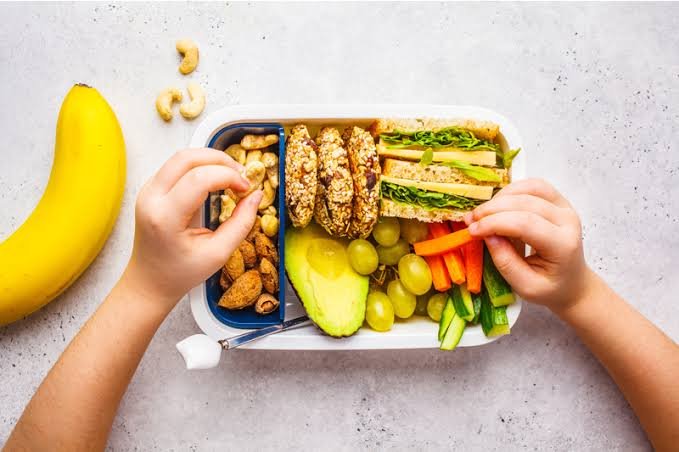
Fruit is one of the easiest snacks to pack for school. Apples, bananas, oranges, pears, grapes, and berries are convenient choices.
Whole fruit provides fiber and natural sweetness without the need for added sugar. Choose fruits that are easy to carry and do not require much preparation.
2. Yogurt
Plain or lightly sweetened yogurt can be a convenient source of protein and calcium. Add fresh fruit for extra flavor and nutrients.
If packing yogurt for school, keep it properly chilled until it is time to eat.
3. Nuts and Seeds
Nuts and seeds can provide protein, healthy fats, and other nutrients. Almonds, walnuts, peanuts, pumpkin seeds, and sunflower seeds can make satisfying snacks.
However, schools may have nut-free policies because of allergies, so always check the school’s rules before packing them.
4. Vegetable Sticks
Carrots, cucumbers, bell peppers, and other vegetables can be cut into easy-to-eat sticks.
Pairing vegetables with hummus or another nutritious dip can make them more appealing while adding protein and flavor.
5. Homemade Sandwiches
A small homemade sandwich can be a filling school snack. Use whole-grain bread and add ingredients such as egg, chicken, cheese, or vegetables.
Keeping portions appropriate can make a sandwich a convenient snack without replacing a complete meal.
6. Boiled Eggs
Boiled eggs are a simple protein-rich option. They can be prepared in advance and packed for school when appropriate food-safety and refrigeration conditions are available.
Pair an egg with fruit or whole-grain crackers for a more balanced snack.
7. Roasted Chickpeas
Roasted chickpeas can provide fiber and plant-based protein. They are easy to prepare at home and can be seasoned lightly with herbs or spices.
They can be a useful alternative to highly processed packaged snacks.
8. Oatmeal or Homemade Energy Bites
Homemade oat bites can combine ingredients such as oats, dates, seeds, and nut or seed butter.
When preparing snacks at home, keep added sugar modest and choose ingredients that provide useful nutrients.
9. Popcorn
Plain or lightly seasoned popcorn can be a convenient whole-grain snack. Avoid versions that are heavily coated with butter, salt, or sugar.
Homemade popcorn can make it easier to control the ingredients.
10. Cheese and Whole-Grain Crackers
Cheese can provide protein and calcium, while whole-grain crackers can provide carbohydrates and fiber.
Pack a small portion of each for a simple and satisfying combination.
11. Keep Water Handy
A healthy snack is only part of a good school-day routine. Students should also have access to water throughout the day.
A reusable water bottle can make it easier to stay hydrated. Water is generally a better everyday choice than sugary drinks.
Tips for Packing Healthy Snacks
A little preparation can make healthy eating easier during busy school days.
- Prepare snacks the night before.
- Choose foods that are easy to eat.
- Use reusable containers.
- Include a variety of colors and food groups.
- Check school allergy policies.
- Keep perishable foods properly chilled.
- Avoid packing more food than the student is likely to eat.
- Let children participate in choosing and preparing snacks.
What About Treats?
Healthy eating does not mean students can never enjoy cookies, chocolate, chips, or other treats. These foods can be enjoyed occasionally as part of an overall balanced eating pattern.
The key is to make nutritious foods the regular choice while keeping highly processed and sugary snacks occasional.
Final Thoughts
Healthy school snacks can be simple, affordable, and enjoyable. Fresh fruit, vegetables, yogurt, eggs, whole grains, chickpeas, cheese, and other nutritious foods can help students stay satisfied between meals.
Planning snacks ahead of time can make it easier to avoid unhealthy choices when hunger strikes. Most importantly, encourage children to develop positive eating habits without making food a source of guilt or pressure.