Introduction
Potassium is one of the most important minerals your body needs to function properly. Although it often receives less attention than nutrients like calcium or protein, potassium plays a vital role in maintaining heart health, regulating blood pressure, supporting muscle contractions, balancing fluids, and ensuring proper nerve function. Every heartbeat, muscle movement, and nerve signal depends on having enough potassium in your body.
Unfortunately, many people do not consume enough potassium through their daily diet. Modern eating habits, which often rely on processed and packaged foods, tend to be high in sodium but low in potassium. This imbalance can contribute to high blood pressure, muscle weakness, fatigue, kidney stones, and an increased risk of cardiovascular disease.
The good news is that potassium is naturally found in a wide variety of fruits, vegetables, legumes, dairy products, and fish. By making smart food choices, you can easily increase your potassium intake and support your overall health. In this article, we’ll explore why potassium is essential, the best potassium-rich foods, signs of deficiency, and practical ways to include more of this important mineral in your daily meals.
What Is Potassium?
Potassium is an essential mineral and electrolyte that helps regulate many critical functions in the body. Electrolytes are minerals that carry electrical charges and help your cells communicate effectively.
Potassium works closely with sodium to maintain fluid balance inside and outside cells. It also supports healthy muscle contractions, including the continuous contraction of your heart muscle.
Because the human body cannot produce potassium on its own, it must be obtained through food.
Why Does Your Body Need Potassium?
Potassium performs numerous important functions.
These include:
- Regulating heartbeat
- Supporting normal muscle contractions
- Maintaining healthy blood pressure
- Helping nerves send signals
- Balancing body fluids
- Supporting kidney function
- Reducing the harmful effects of excess sodium
- Maintaining healthy bones
Without adequate potassium, many of these systems cannot function efficiently.
Health Benefits of Potassium
1. Helps Control Blood Pressure
One of potassium’s most well-known benefits is its ability to support healthy blood pressure.
Potassium helps the body remove excess sodium through urine. Since high sodium intake can increase blood pressure, eating potassium-rich foods may help reduce the risk of hypertension.
People who consume more potassium-rich foods often have healthier blood pressure levels compared to those whose diets are low in potassium.
2. Supports Heart Health
Your heart relies on potassium to maintain a regular heartbeat.
Low potassium levels may lead to irregular heart rhythms, while adequate intake helps keep the heart functioning normally.
Combined with a heart-healthy lifestyle, potassium-rich foods may lower the risk of cardiovascular disease.
3. Prevents Muscle Cramps
Potassium helps muscles contract and relax properly.
When potassium levels are low, muscles may become weak, tired, or prone to painful cramps.
Athletes and people who sweat heavily may especially benefit from maintaining healthy potassium levels.
4. Improves Nerve Function
Your nervous system depends on potassium to transmit electrical signals between the brain and the rest of the body.
Healthy potassium levels help support:
- Faster nerve communication
- Better coordination
- Improved muscle control
- Healthy reflexes
5. Supports Kidney Health
A potassium-rich diet may help reduce the risk of kidney stones by lowering calcium loss through urine.
However, people with chronic kidney disease should consult their healthcare provider before increasing potassium intake because damaged kidneys may struggle to remove excess potassium.
6. Promotes Healthy Bones
Research suggests diets rich in fruits and vegetables—which naturally contain potassium—may help preserve bone mineral density.
Potassium may reduce the loss of calcium from bones, supporting long-term skeletal health.
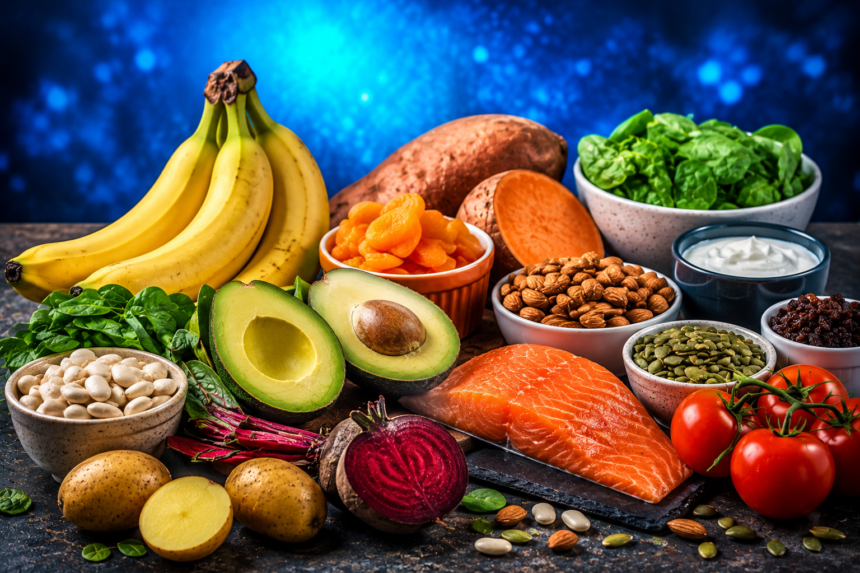
Best Foods High in Potassium
1. Bananas
Bananas are famous for their potassium content and make a convenient, nutritious snack.
Benefits:
- Boost energy
- Support muscle function
- Easy to carry
- Rich in vitamin B6 and fiber
2. Sweet Potatoes
Sweet potatoes contain even more potassium than many people realize.
They are also rich in:
- Vitamin A
- Fiber
- Vitamin C
- Antioxidants
Baked sweet potatoes make an excellent healthy side dish.
3. Spinach
Leafy green vegetables are nutritional powerhouses.
Spinach provides:
- Potassium
- Iron
- Magnesium
- Folate
- Vitamin K
Fresh spinach can be added to salads, soups, smoothies, and omelets.
4. Avocados
Avocados contain healthy fats along with generous amounts of potassium.
Benefits include:
- Better heart health
- Healthy cholesterol levels
- Improved satiety
- Nutrient absorption
5. White Beans
Beans are among the richest plant-based potassium sources.
They also provide:
- Plant protein
- Fiber
- Iron
- Magnesium
Adding beans to soups, salads, and stews boosts both nutrition and fullness.
6. Lentils
Lentils are inexpensive, filling, and highly nutritious.
Besides potassium, they supply:
- Protein
- Fiber
- Folate
- Iron
They are ideal for vegetarians and vegans.
7. Potatoes
Both white and red potatoes are naturally rich in potassium, especially when eaten with their skins.
Instead of frying them, choose baked or boiled potatoes for maximum health benefits.
8. Yogurt
Plain yogurt provides potassium along with:
- Calcium
- Protein
- Probiotics
It supports digestive health while helping maintain strong bones.
9. Coconut Water
Coconut water is a natural source of electrolytes, including potassium.
It can help replace fluids lost during exercise or hot weather, though plain water remains the best choice for everyday hydration.
10. Salmon
Salmon is an excellent source of potassium and heart-healthy omega-3 fatty acids.
Regular consumption may support:
- Heart health
- Brain function
- Reduced inflammation
- Muscle recovery
11. Tomatoes
Tomatoes and tomato products such as tomato sauce provide a good amount of potassium.
They’re also rich in lycopene, a powerful antioxidant linked to heart health.
12. Oranges
Oranges provide potassium along with vitamin C, making them an excellent snack for immune support and hydration.
Whole oranges are generally healthier than juice because they contain more fiber.
Signs of Potassium Deficiency
A mild potassium deficiency may not cause obvious symptoms, but more significant deficiencies can lead to:
- Muscle weakness
- Fatigue
- Muscle cramps
- Constipation
- Tingling sensations
- Irregular heartbeat
- Difficulty concentrating
Severe potassium deficiency requires medical attention.
Can You Get Too Much Potassium?
While potassium from food is generally safe for healthy people, excessive potassium can become dangerous if the kidneys cannot remove it properly.
High potassium levels (hyperkalemia) may cause:
- Heart rhythm problems
- Muscle weakness
- Nausea
- Fatigue
- Chest discomfort
People with kidney disease or those taking certain medications should seek medical advice before using potassium supplements.
Tips to Increase Potassium Naturally
You don’t need supplements if your diet is balanced.
Try these simple habits:
- Add bananas to breakfast.
- Eat baked potatoes instead of fries.
- Include beans in soups and salads.
- Add spinach to smoothies.
- Snack on yogurt with fruit.
- Eat more fresh vegetables.
- Replace processed snacks with whole foods.
Foods That Reduce Potassium Intake Balance
While potassium is important, too much sodium can reduce its positive effects.
Limit:
- Processed meats
- Instant noodles
- Packaged snacks
- Fast food
- Salty chips
- Frozen ready meals
Reducing sodium while increasing potassium creates a healthier dietary balance.
Frequently Asked Questions (FAQs)
How much potassium do adults need daily?
Most adults need approximately 2,600–3,400 mg of potassium per day, depending on age and sex.
Is one banana enough?
No. Although bananas are healthy, they should be part of a varied diet that includes vegetables, beans, dairy, and other potassium-rich foods.
Are potassium supplements necessary?
Most healthy people can meet their potassium needs through food. Supplements should only be taken under medical supervision.
Which fruit has the most potassium?
Bananas, avocados, cantaloupe, kiwi, oranges, apricots, and dried fruits are all good sources.
Can children eat potassium-rich foods?
Yes. Fruits, vegetables, dairy products, and legumes provide safe, natural potassium for growing children.
Conclusion
Potassium is an essential mineral that supports nearly every major system in the body, from maintaining a healthy heartbeat and regulating blood pressure to supporting muscle function and nerve communication. Despite its importance, many people fail to consume enough potassium because modern diets often rely on processed foods that are high in sodium and low in essential nutrients. Fortunately, increasing potassium intake is simple when you choose whole, nutrient-rich foods such as bananas, sweet potatoes, spinach, beans, lentils, avocados, yogurt, salmon, tomatoes, and oranges. Combined with regular physical activity, adequate hydration, and a balanced diet, these foods can help protect your heart, strengthen your muscles, and improve your overall health. Instead of focusing on supplements, aim to get your potassium naturally through a colorful and varied diet.