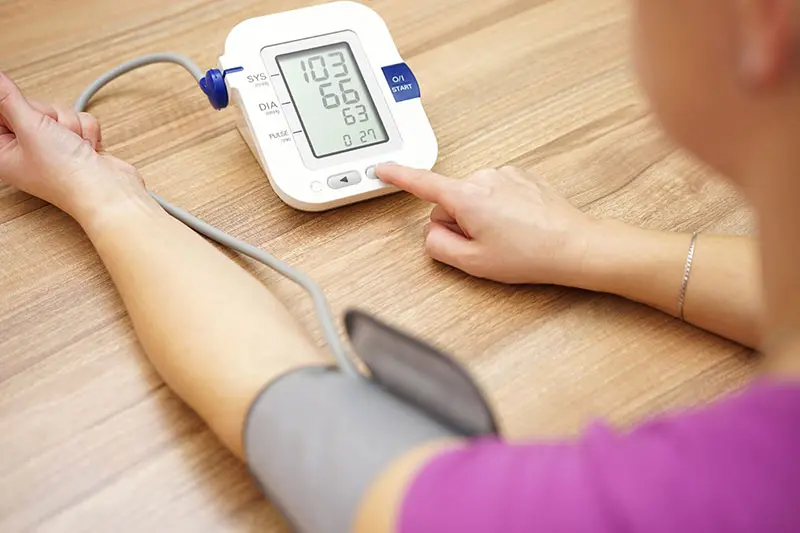
Millions rely on home blood pressure monitors to track their health, but the convenience comes with a critical question: are those readings consistently accurate?
While these devices offer invaluable insights for managing hypertension, their effectiveness hinges entirely on precision, and experts warn many users inadvertently compromise it. Inaccurate readings carry significant risks. Consistently high false readings could lead to unnecessary medication or anxiety, while falsely low readings might delay crucial treatment for actual hypertension, increasing the risk of heart attack, stroke, and kidney disease.
The stakes are high; reliable data guides medical decisions. The core issue often lies not with the device itself, but how it’s used. Cuff size is paramount. A cuff too small will inflate readings, while one too large will produce artificially low numbers. Doctors advise measuring your arm circumference and selecting a cuff specifically validated for your size.
Beyond the cuff, proper technique—sitting upright with feet flat, arm supported at heart level, no talking, and avoiding caffeine or exercise for 30 minutes prior—is non-negotiable for consistent results. Device validation also plays a crucial role.
Not all monitors are created equal. Healthcare professionals recommend using devices clinically validated by independent organizations, such as those listed by the American Medical Association or the British and Irish Hypertension Society.
These validations ensure the monitor meets rigorous accuracy standards, a detail often overlooked by consumers. Even a validated monitor needs regular checks. Bringing your device to your doctor’s appointments allows for a side-by-side comparison with their professional-grade equipment, identifying any calibration drift or user error.
This simple step can catch discrepancies before they impact treatment. Wrist monitors, while convenient, are generally less accurate than upper-arm models and should be used only if an arm cuff is impractical or impossible.
Ultimately, a home blood pressure monitor is a tool. Its value in health management is immense, but only when its data is trustworthy.
Ensuring accuracy through correct cuff size, proper technique, choosing validated devices, and regular professional checks empowers patients and their doctors to make informed decisions about cardiovascular health.