When people think about healthy pulses, chickpeas, lentils, and kidney beans often come to mind. However, horse gram, commonly known as Kulthi Dal, is one of the most nutritious yet overlooked legumes. Used for centuries in traditional South Asian diets, horse gram is rich in protein, dietary fiber, vitamins, minerals, and plant compounds that support overall health.
Despite being inexpensive and widely available in many regions, horse gram remains one of the least consumed pulses. If you’re looking for a nutritious food to add variety to your meals, horse gram deserves a place on your plate.
What Is Horse Gram?
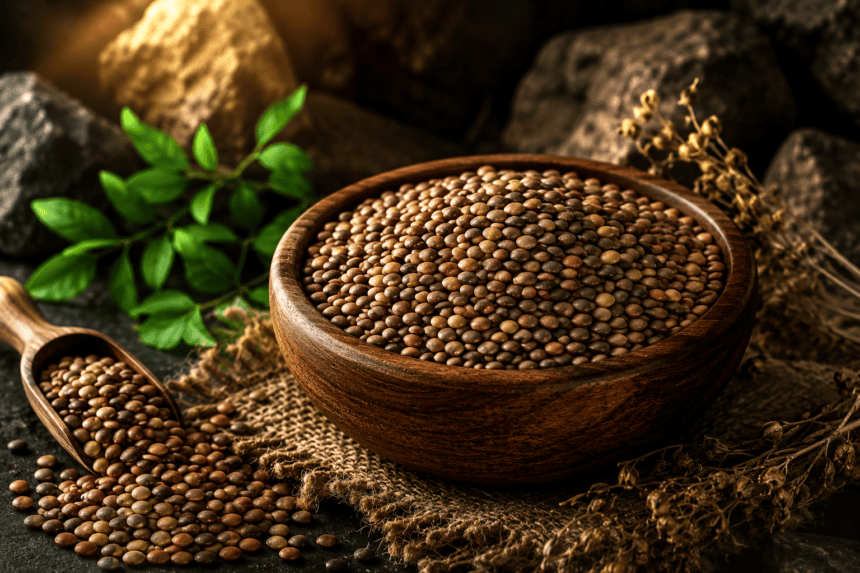
Horse gram (Macrotyloma uniflorum) is a drought-resistant legume commonly grown in South Asia. It has a slightly earthy flavor and is often prepared as dal, soup, curry, or sprouts.
Because of its impressive nutritional profile, horse gram has long been valued in traditional diets.
Nutritional Value
Horse gram is packed with nutrients, including:
- Plant-based protein
- Dietary fiber
- Iron
- Calcium
- Phosphorus
- Potassium
- Polyphenols and antioxidants
It is naturally low in fat and contains complex carbohydrates that provide steady energy.
1. Rich in Plant Protein
Protein is essential for building and repairing body tissues.
Horse gram is an excellent plant-based protein source, making it a valuable food for vegetarians and people looking to increase their protein intake.
Pairing horse gram with whole grains such as brown rice or whole wheat can provide a more balanced meal.
2. Supports Digestive Health
Horse gram contains a significant amount of dietary fiber.
Fiber helps maintain regular bowel movements, supports digestive health, and contributes to a healthy gut microbiome.
Increasing fiber intake gradually and drinking enough water can help reduce digestive discomfort.
3. May Support Heart Health
Horse gram contains potassium and antioxidants that support normal heart function as part of a healthy diet.
Replacing highly processed foods with legumes like horse gram may contribute to an overall heart-friendly eating pattern.
4. Helps You Feel Fuller
Foods rich in protein and fiber generally promote a feeling of fullness.
Including horse gram in meals may help reduce hunger between meals and support healthy weight management when combined with an active lifestyle.
5. Provides Steady Energy
Unlike highly refined carbohydrates, legumes release energy more gradually because of their fiber and complex carbohydrate content.
This makes horse gram a satisfying food that can help fuel your daily activities.
6. Rich in Antioxidants
Horse gram contains natural plant compounds called polyphenols.
Antioxidants help protect cells from oxidative stress and are an important part of a healthy diet rich in fruits, vegetables, whole grains, and legumes.
How to Include Horse Gram in Your Diet
Horse gram is versatile and can be prepared in many delicious ways:
- Traditional Kulthi Dal
- Healthy soups
- Vegetable curries
- Sprouted salads
- Mixed with brown rice
- Stuffed flatbreads
Adding tomatoes, garlic, onions, turmeric, cumin, and fresh herbs enhances both flavor and nutrition.
Are There Any Precautions?
Horse gram is generally safe for most healthy people when eaten as part of a balanced diet.
Because it is high in fiber, suddenly eating large amounts may cause bloating or gas in some individuals. Increasing intake gradually and drinking enough water can help.
People with specific medical conditions or dietary restrictions should consult a healthcare professional for personalized advice.
The Bottom Line
Horse gram may be one of the most underrated pulses, but it offers impressive nutritional benefits. Rich in protein, fiber, minerals, and antioxidants, it supports a balanced diet and can be enjoyed in many delicious recipes.
If you’re looking for an affordable, nutritious, and filling food, Kulthi Dal is a smart choice worth rediscovering.