TEHRAN/WASHINGTON: Iran said Monday that it has reached conclusions with the United States on “many” issues being discussed in a possible memorandum, but warned that talk of an imminent agreement is premature as major differences still hang over the negotiations.
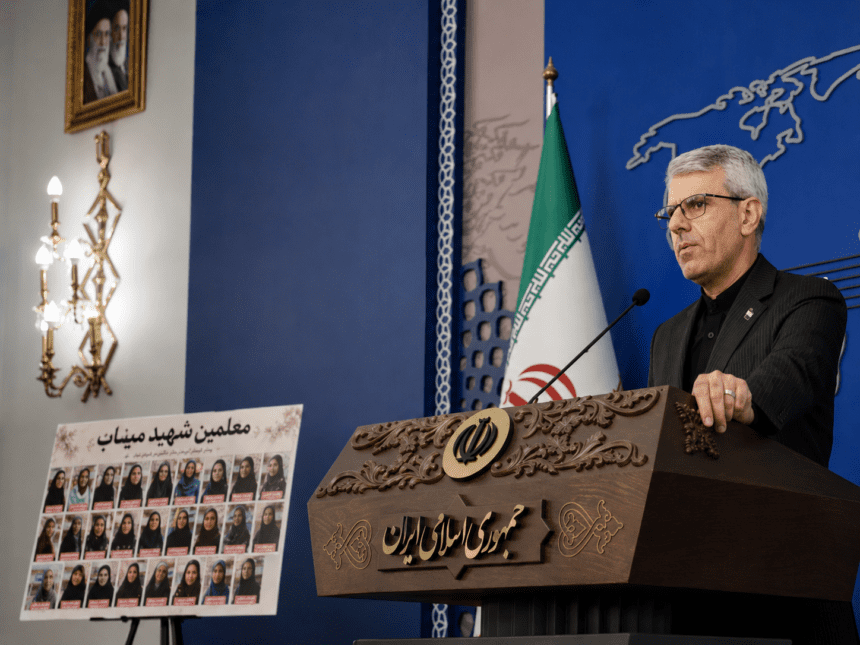
Foreign Ministry spokesperson Esmaeil Baghaei said Tehran and Washington had made progress on a large portion of the issues under discussion. Still, he made clear that progress should not be mistaken for a final breakthrough. “To say that this means the signing of an agreement is imminent — no one can make such a claim,” he told reporters, according to Reuters.
Baghaei said Iran is currently negotiating over an end to the war, not over nuclear matters. That distinction matters. For Tehran, separating the immediate conflict from the nuclear file appears to be part of its effort to keep the talks narrower, while Washington has continued to link any broader settlement to Iran’s nuclear activities, sanctions relief, regional security and the reopening of the Strait of Hormuz.
The latest comments came as both sides tried to cool expectations after several days of speculation that a deal could be close. U.S. President Donald Trump has said negotiators should not rush into an agreement, while Secretary of State Marco Rubio has warned that Washington is also preparing “another way” if diplomacy fails.
According to reporting from Reuters and AP, the outline being discussed could include a 60-day negotiation period, steps linked to Iran’s enriched uranium stockpile, sanctions relief only after compliance, and measures connected to the Strait of Hormuz, a vital route for global energy shipments. The details, though, remain sensitive and clearly unfinished.
Markets have been watching the talks closely. Oil prices fell sharply in recent trading as hopes rose that a diplomatic arrangement could ease pressure on energy supplies and eventually reopen the Strait of Hormuz. But the optimism is fragile. One wrong statement, or one new clash in the region, could change the mood quickly.
The talks are unfolding against the backdrop of a three-month conflict and a fragile ceasefire that has held since April, though not without sporadic violence. The war has widened pressure across the region, including through continued tensions involving Israel and Hezbollah in Lebanon.
Iran has repeatedly complained about what it describes as inconsistent U.S. positions. Baghaei said those differences continue to complicate the path to a final deal. In Washington, officials are also trying to balance diplomacy with domestic political pressure, especially from critics who argue that any agreement must fully address Iran’s nuclear capacity and regional influence.
For now, the message from Tehran is careful but not dismissive: talks are moving, understandings have been reached, and a framework may be taking shape. But there is no signed deal, no final timetable, and no guarantee that the remaining gaps can be closed.
That leaves the negotiations in a familiar place — close enough to move markets, but still too uncertain to call peace.