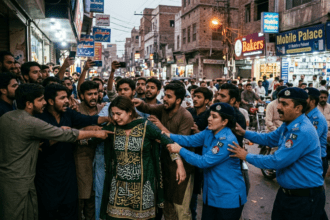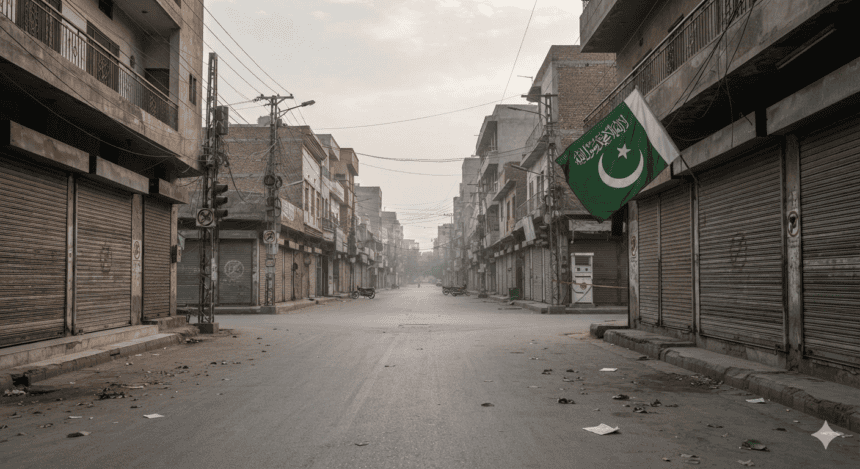
Jamaat-e-Islami (JI) has officially announced a nationwide shutdown strike, set to take place immediately following the 12th of Rabi-ul-Awal. The protest targets the government’s recent decision to hike petroleum levies, a move the party claims is crushing an already struggling middle class.
JI chief Hafiz Naeemur Rehman confirmed the decision during a press conference, framing the strike as a direct response to what he described as the “anti-people” economic policies of the current administration. The party is calling on traders, transporters, and the general public to keep businesses closed as a show of defiance against rising energy costs.
The timing is deliberate. By scheduling the strike for the days following the Eid Milad-un-Nabi celebrations, the party avoids disrupting religious observances while ensuring the protest garners maximum visibility during the work week.
For the government, this is a significant political headache. The ruling coalition is currently navigating a fragile economic recovery program, and any widespread closure threatens to stall tax collection and disrupt supply chains. Traders—a core constituency for both the ruling party and the opposition—are caught in the middle. Many have expressed frustration over the high cost of electricity and fuel, which has slashed their profit margins to near zero.
“The government keeps asking for patience while they continue to squeeze the taxpayer,” said a local market association leader in Lahore. “We can’t survive on promises of future stability when we can’t pay our electricity bills today.”
The government has yet to issue a formal counter-strategy, though ministers have privately signaled that the fuel levy is essential for meeting International Monetary Fund (IMF) conditions. They argue that backing down now would jeopardize the country’s fiscal credibility.
This strike marks a shift in JI’s recent outreach strategy. Under Rehman’s leadership, the party has moved away from traditional religious rhetoric, focusing instead on urban economic grievances. By tapping into the widespread anger over utility bills and fuel prices, JI is attempting to consolidate its position as the primary voice for the disillusioned urban voter.
Whether the strike achieves mass participation remains the critical question. Past calls for shutter-downs have seen mixed results depending on the level of support from influential trader unions. If the markets stay shuttered, it will signal a deepening crisis for the government’s economic agenda.
If the streets remain open, the JI will be forced to rethink its strategy for pressuring a government that has shown little appetite for policy reversals.