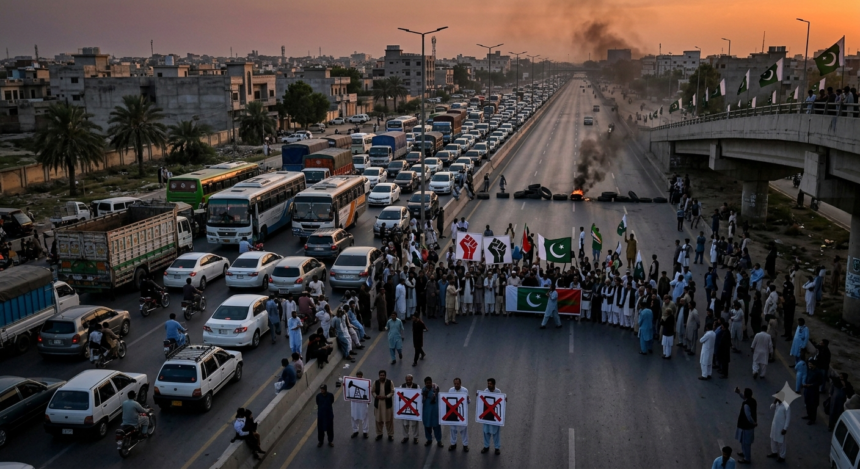
Jamaat-i-Islami (JI) has set the stage for a fresh confrontation with the federal government, announcing a series of nationwide road blockades to protest the recent surge in petroleum levies.
The party’s leadership, speaking at a press conference in Islamabad, labeled the government’s fiscal policies a “direct assault” on the working class. JI chief Hafiz Naeemur Rehman confirmed that the party has finalized plans to paralyze major arterial roads across the country if the government fails to roll back the latest price adjustments.
The decision arrives as inflation remains a persistent burden for households already struggling with high utility bills. By targeting major highways—the lifelines of Pakistan’s domestic trade—the party aims to force the finance ministry to reconsider its reliance on petroleum levies to meet International Monetary Fund (IMF) revenue targets.
“We aren’t just talking about a protest; we are talking about bringing the country’s transport network to a standstill,” a senior JI spokesperson told reporters. “The government expects the poor to pay for their fiscal mismanagement. We aren’t going to let that happen quietly.”
The government, however, remains caught between a rock and a hard place. Finance ministry officials have repeatedly signaled that the current levy structure is non-negotiable, citing the strict conditions of the $7 billion IMF bailout package. For the ruling coalition, backing down on fuel taxes could jeopardize the next tranche of funding, leading to deeper economic instability.
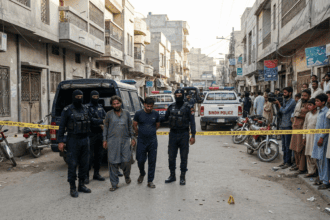
While the government has yet to issue a formal response to the blockade threat, security agencies are already monitoring the situation. Previous attempts by political groups to block national highways have often resulted in preemptive arrests and heavy police presence, a scenario that appears increasingly likely as the deadline for the JI-led protest approaches.
The move marks a shift in JI’s strategy. Moving beyond standard sit-ins, the party is now leveraging its grassroots organizational strength to disrupt economic activity. Whether this pressure forces a policy shift or merely triggers a crackdown will depend on the government’s willingness to risk further public unrest during a period of extreme economic fragility.
For now, the country’s commuters and logistics operators are bracing for significant disruptions, as the standoff between the religious party and the finance ministry shows no sign of cooling.