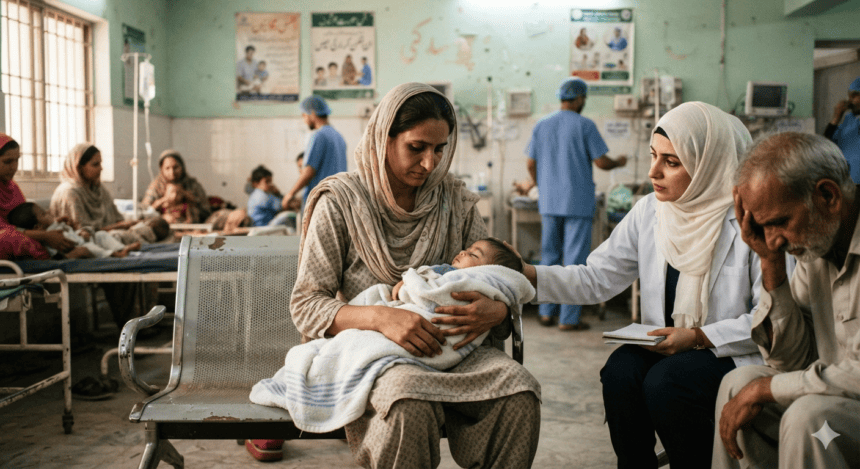
Karachi’s public health infrastructure is buckling under a dual assault of diphtheria and measles. Since January, 144 children have died across the city, as immunization gaps and delayed medical intervention turn preventable illnesses into fatal ones.
The numbers, compiled from hospital records and provincial health department data, paint a grim picture of systemic failure. Diphtheria alone has claimed 56 lives, while measles has been responsible for 88 deaths. Most victims were under the age of five—a demographic that relies entirely on state-run vaccination drives that have struggled to gain traction in the city’s dense, underserved pockets.
“We are seeing children arrive at the ER in advanced stages of respiratory distress,” a senior pediatrician at the Civil Hospital said. “By the time they reach us, the antitoxin window has already closed. It’s a preventable tragedy we repeat every single year.”
The crisis isn’t limited to hospitals. It’s rooted in the city’s periphery, where misinformation and vaccine hesitancy remain high. Despite recurring campaigns, health workers often face locked doors or outright refusal in neighborhoods like Keamari and Orangi Town. When families do seek help, they frequently bypass primary health centers, heading straight to major tertiary hospitals that are already overwhelmed.
Public health experts point to a “coverage gap.” While official provincial figures often boast high immunization percentages, the reality on the ground—especially in Karachi’s informal settlements—is far lower. Poor sanitation and overcrowding act as accelerants, allowing these pathogens to spread rapidly through communities that have little protection.
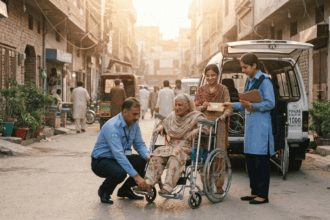
The Sindh Health Department has promised a surge in mobile vaccination units, aiming to reach the “zero-dose” children who missed their routine shots. But for 144 families in Karachi, the intervention has arrived far too late.
The city’s pediatric wards remain packed, and with the winter season approaching, doctors fear the respiratory strain of diphtheria will only intensify. Unless the provincial government fixes its outreach logistics, the death toll will continue to climb.