The situation has become extremely alarming after HIV (AIDS) was confirmed in more than 100 children receiving treatment at a hospital in Karachi.
Over the past nine months, the number of HIV infected children from the same neighborhood treated at Walika Hospital in Karachi’s SITE area has exceeded 100. Local residents claim that nine children have died over the past year.
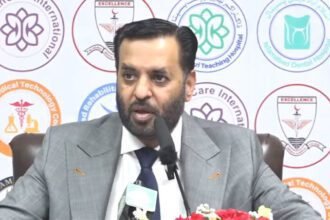
Former World Health Organization official Dr. Zafar Mirza spoke in detail about this serious issue in Karachi.
He said that the infection of multiple children with HIV in Karachi is not merely a medical issue but reflects failures in governance, the healthcare administrative structure, and monitoring systems.
He noted that following the major HIV outbreak in Ratodero, interior Sindh, in 2019, a national task force was established to ensure injection safety, which resulted in a strict ban on reusable syringes.
According to the law, only single use syringes can be sold in Pakistan. However, in some places, these syringes are allegedly being reused illegally, which is an extremely concerning practice and increases the risk of spreading HIV and other deadly diseases.
Dr. Zafar Mirza further said that mandatory screening for five diseases, including HIV, Hepatitis B, Hepatitis C, syphilis, and malaria, should be conducted before blood transfusions. However, Pakistan’s blood screening system remains ineffective, resulting in contaminated blood sometimes being transfused to patients, particularly children.
He said that some government circles appear more focused on how this information reached the media, whereas the real need is to eliminate the causes of the disease and take effective action against those responsible. He urged authorities to focus on improving the healthcare system rather than concealing facts and data.