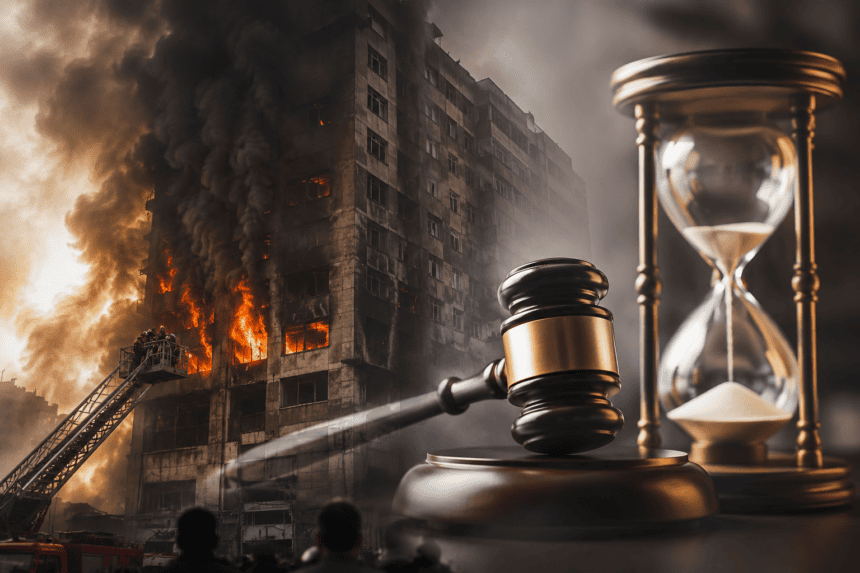
The investigation into the devastating fire at Karachi’s Gul Plaza remains in limbo. The Investigating Officer (IO) has officially requested additional time to finalize the probe, citing incomplete forensic reports and pending statements from key witnesses.
The fire, which gutted dozens of shops and caused millions in losses, left the local business community reeling. Traders have spent months demanding accountability, yet the case continues to face procedural delays.
The IO submitted the plea before the judicial magistrate, noting that the chemical analysis of the debris—a critical component for determining the fire’s origin—is still outstanding. Without these findings, authorities cannot definitively rule out arson or electrical negligence.
For the shopkeepers, the delay is more than just bureaucratic friction. Many are still waiting for insurance claims to be processed, a step currently blocked by the absence of an official police report.
“We are tired of waiting,” said one shop owner who lost his inventory in the blaze. “Every time we ask for an update, we are told the investigation is ongoing. How long can a simple fire inquiry take?”
Legal experts suggest the delay points to systemic gaps in how the city handles forensic evidence. In Karachi, fire investigations often stall because of a lack of coordination between the fire brigade’s initial assessment and the police’s criminal investigation process.
The court has yet to rule on the IO’s request for an extension, but the delay signals that closure for the affected traders is not coming anytime soon. As the file gathers dust, the cause of the fire remains a matter of speculation rather than documented fact.