
By using this site, you agree to the Privacy Policy and Terms of Use.
Accept
Media HydeMedia Hyde
  • Home
  • Politics
  • Education
  • Entertainment
  • Sports
  • Blogs
  • Business & Commerce
  • Others
    • Religious
    • Metropolitan
    • Climate and Weather
Font ResizerAa
Media HydeMedia Hyde
Font ResizerAa
  • Home
  • Politics
  • Education
  • Entertainment
  • Sports
  • Blogs
  • Business & Commerce
  • Others
    • Religious
    • Metropolitan
    • Climate and Weather
Follow US
© 2026 Media Hyde Network. All Rights Reserved.
HeadlinePolitics

Kuwait lifts ban on public gatherings

Last updated: April 24, 2026 10:20 pm
Ayesha Masood
Share
Kuwait lifts ban on public gatherings
SHARE

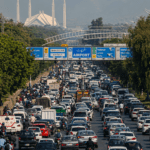
Kuwait has moved to lift its temporary restrictions on public gatherings after earlier security-related measures had halted weddings, plays, parties, and similar events during the Eid period. The earlier ban was announced by the Interior Ministry in March as a precaution tied to domestic and regional security concerns and was described at the time as temporary and subject to conditions on the ground.

The restrictions had come at a tense moment, with Kuwaiti authorities saying the goal was to reduce large gatherings and strengthen public safety amid wider regional instability. Reports at the time said the measures covered social events and entertainment activities and were framed as preventive rather than permanent.

The reported lifting of the ban signals a degree of confidence that the immediate security situation has eased enough for public life to return more fully to normal. Even so, the available search results found are much clearer on the original ban than on the official wording of its withdrawal, so that part should be treated as based on current reporting rather than a clearly surfaced formal government statement in the material reviewed here.

For residents and businesses, especially those linked to events and hospitality, the change would be significant. The original restrictions affected weddings, celebrations and performances, so lifting them would reopen space for social and commercial activity that had been put on hold during the precautionary period.

The move also reflects a familiar pattern in Gulf security policy: temporary public-safety restrictions imposed quickly during regional flare-ups, then eased once authorities judge the risk to have receded. In Kuwait’s case, the earlier measures were explicitly tied to security concerns, not to a standing long-term policy against public events.

Share This Article
Email Copy Link Print
Previous Article Taron Egerton stuns as sinister hunter in Netflix’s Apex alongside Charlize Theron Taron Egerton stuns as sinister hunter in Netflix’s Apex alongside Charlize Theron
Next Article Man arrested for comparing Tarnol railway crossing to Strait of Hormuz
Leave a Comment

Leave a Reply Cancel reply

Your email address will not be published. Required fields are marked *

Sponsored Ads

Stay Connected

FacebookLike
XFollow
InstagramFollow
YoutubeSubscribe
WhatsAppFollow
ThreadsFollow
The Relationship Between Junk Food and Skin Problems
Blog Health
June 10, 2026
Beetroot: A Natural Superfood for Better Health
Blog Health
June 10, 2026
Eggs in Daily Life: Should You Eat Them Every Day or Weekly?
Blog Health
June 10, 2026
Benefits of Yoga for Diabetes Management
Blog Health
June 10, 2026
Yoga for Skin Health and Natural Glow
Blog Health
June 10, 2026
Importance of Physical Exercise for All Ages
Blog Health
June 10, 2026

You Might Also Like

WASHINGTON: UnitedHealth has warned that the Trump administration’s planned Medicare obesity-drug pilot faces “notable challenges,” casting doubt over how smoothly the program can move ahead if major insurers stay cautious. Recent market reporting said the model depends heavily on participation from Medicare drug plans that cover most Part D enrollees, which makes the stance of large insurers especially important. The concern centers on a broader CMS effort to expand access to GLP-1 weight-loss medicines for seniors. Under CMS’s published framework, the longer-term BALANCE Model would begin in Medicare Part D in January 2027, while a temporary Medicare GLP-1 Bridge is designed to start earlier and give eligible beneficiaries short-term access before that main model begins. What makes this a little more complicated is that the short-term bridge and the longer pilot are not the same thing. CMS says the Medicare GLP-1 Bridge operates outside the normal Part D coverage and payment flow, meaning Part D sponsors are not directly involved in that bridge arrangement. In other words, insurer participation is a much bigger issue for the 2027 BALANCE rollout than for the bridge itself. That distinction matters because investors and drugmakers are watching this closely. Reports said shares of obesity-drug makers fell after UnitedHealth’s comments, largely because Medicare coverage is seen as a huge growth opportunity for drugs such as Wegovy and Zepbound. If major insurers hesitate, the program could struggle to achieve the scale CMS appears to want. There is already some evidence of resistance. MarketWatch reported that CVS Health has opted out, while UnitedHealth is still evaluating the structure and discussing possible changes with Medicare officials. That does not mean the program is dead, not yet anyway, but it does suggest the administration may need to revise the design or sweeten the terms if it wants broader insurer buy-in. The bigger backdrop here is cost. Medicare has long been wary of broad obesity-drug coverage because GLP-1 therapies are expensive and potentially involve very large patient populations. Earlier policy debates around these drugs were shaped by concerns that wide coverage could drive up federal spending sharply, even as supporters argued the medicines could reduce longer-term health costs tied to obesity. So the headline problem for CMS is pretty straightforward: it has created a short-term bridge that can move without direct Part D plan involvement, but the more ambitious long-term Medicare model still appears to need insurers on board. UnitedHealth’s warning does not shut the door, but it does signal that one of the industry’s biggest players thinks the current setup may not be ready for easy launch.
HeadlineHealth

UnitedHealth raises red flags over Medicare obesity-drug pilot

By
Mabruka Khan
Politics

US CENTCOM Chief Hails Pakistan as ‘Phenomenal Partner’ in Counterterrorism Efforts

By
Hannan Kaimkhani
NDMA Forecasts Rainfall Across Pakistan from May 19 to 22
Climate and WeatherHeadline

NDMA Forecasts Rainfall Across Pakistan from May 19 to 22

By
Ayesha Masood
Politics

Rift Deepens as Dissident PTI Leaders Vow to Contest Senate Polls Despite Party Orders

By
Hannan Kaimkhani
Media Hyde Media Hyde Dark
Facebook Twitter Youtube Rss Medium

About US

Media Hyde Network: Your instant connection to breaking stories and live updates. Stay informed with our real-time coverage across politics, tech, entertainment, and more. Your reliable source for 24/7 News.

Top Categories
  • Headline
  • Politics
  • Entertainment
  • Education
  • Sports
  • Religious
  • Metropolitan
  • Climate and Weather
Usefull Links
  • Contact Us
  • Disclaimer
  • Privacy Policy
  • Cookies Policy
  • Advertising Policy
  • Terms & Conditions

© 2025 Media Hyde Network. All Rights Reserved.

Welcome Back!

Sign in to your account

Username or Email Address
Password

Lost your password?