The Pakistan Meteorological Department (PMD) has issued a high-alert warning for major urban centers, predicting an intensified monsoon season in 2026. Data models point to erratic rainfall patterns, with the potential for flash flooding in cities already struggling with aging drainage infrastructure.
Met office officials expect the monsoon currents to be more aggressive than in previous years. Karachi, Lahore, and Rawalpindi sit at the top of the risk list. These cities face a recurring cycle of choked storm drains and rapid water accumulation during heavy downpours, a reality that officials now admit could be exacerbated by climate-driven weather shifts.
“We aren’t just looking at seasonal averages,” a senior meteorologist told reporters on Wednesday. “The concern is the concentration of rainfall. We’re seeing shorter, sharper bursts of rain that the existing urban drainage systems simply weren’t built to handle.”
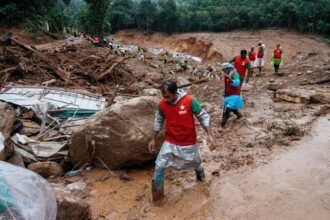
For residents in low-lying areas, the warning brings a familiar sense of dread. Last year’s heavy spells left major thoroughfares submerged for days, paralyzing transport and cutting off power grids. Municipal authorities have promised to begin clearing blockages in drainage channels, yet critics argue these efforts are reactive rather than preventive.
The economic fallout of urban flooding remains steep. Beyond the immediate damage to property and infrastructure, the disruption to supply chains and local commerce creates a ripple effect that hits the informal economy hardest.
City planners are now under pressure to move beyond temporary fixes. While the Met Office provides the data, the burden of mitigation rests on municipal corporations. Whether those departments can clear the concrete, plastic, and debris clogging the city arteries before the first clouds gather remains the critical question.