A new fossil study has revealed fresh insights into Lufengosaurus, one of the earliest long-necked dinosaurs known from the Early Jurassic Period. The latest research is helping paleontologists better understand its anatomy, growth, feeding habits, and evolutionary role in the rise of giant sauropod dinosaurs.
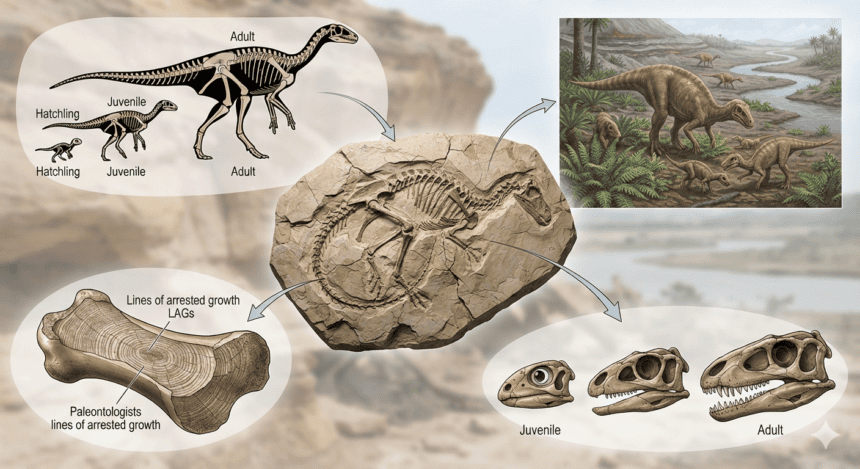
Researchers examined well-preserved fossil skeletons using CT scanning, 3D digital reconstruction, and microscopic bone analysis. The findings provide new information about Lufengosaurus’ skeletal structure, muscle attachments, and growth patterns, offering a clearer picture of how this dinosaur lived nearly 190 million years ago.
Lufengosaurus measured approximately 6 to 9 meters (20–30 feet) in length and belonged to the sauropodomorph group, the ancestors of the enormous long-necked sauropods that later dominated prehistoric landscapes. Its long neck allowed it to browse vegetation at different heights, while its strong limbs supported efficient movement across ancient forests and floodplains.
The study suggests that Lufengosaurus was primarily herbivorous, feeding on ferns, cycads, conifers, and other prehistoric plants. Scientists believe its leaf-shaped teeth were well adapted for stripping vegetation, although it likely swallowed food with little chewing before digestion.
Researchers also discovered evidence of rapid growth during the dinosaur’s early years, indicating that Lufengosaurus reached adulthood relatively quickly. Bone tissue analysis revealed seasonal growth patterns that provide valuable clues about its metabolism and development.
The fossil discoveries improve scientists’ understanding of how early sauropodomorphs adapted to changing environments and gradually evolved into the gigantic sauropods that became some of the largest land animals in Earth’s history.
Experts say continued fossil excavations and advanced imaging technology will help uncover even more about the biology, behavior, and evolution of Lufengosaurus and other early dinosaurs.