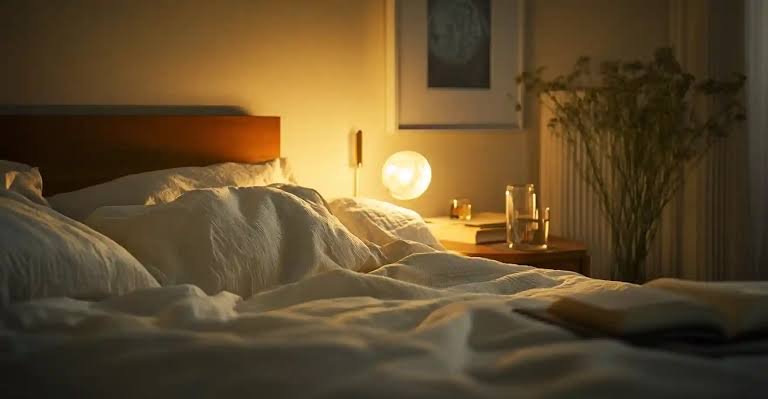
A new study from Australia warns that spending too much time in artificial light at night — such as from mobile screens, TVs, or bright home lights — may increase the risk of heart problems.
The research, done by Flinders Health and Medical Research Institute, found that nighttime light exposure is linked to heart diseases like heart attacks, coronary artery disease, irregular heartbeats, and strokes. This risk stayed high even when factors like sleep, diet, exercise, and smoking were considered.
Experts say that our body runs on a natural clock, called the circadian rhythm, which controls sleep and heart functions. Bright light at night disrupts this rhythm, affecting hormones and the heart.
The study showed that women are more likely to develop heart failure due to nighttime light, while younger people may experience irregular heartbeats.
Doctors now advise reducing screen time before bed and using dim lights in the evening to support heart health. They say small changes, like turning off devices early and avoiding bright lights, can help protect the heart in the long run.