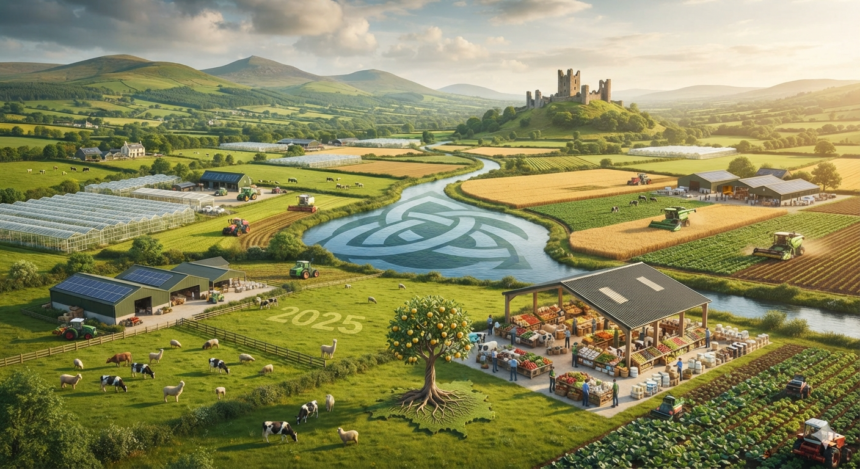
Northern Ireland’s agriculture sector generated over £1 billion in profit during 2025, a landmark figure that underscores the industry’s resilience despite tightening margins and shifting trade regulations. The total income from farming (TIFF) climbed past the ten-figure threshold, marking a significant recovery from the volatility seen in previous fiscal years.
The surge wasn’t driven by a single commodity. Instead, a combination of stabilized input costs—specifically for feed and fertilizer—and sustained demand for high-quality dairy and beef exports created a rare “sweet spot” for producers. While global prices for raw materials cooled, the premium placed on Northern Irish produce in both the UK and EU markets remained firm.
Yet, this headline figure obscures the reality for smaller, family-run holdings. Rising energy costs and the ongoing transition toward net-zero environmental standards remain heavy burdens. Many farms are currently balancing record-high revenues against the capital expenditure required to meet new ammonia-reduction targets and climate-linked land management mandates.
Agriculture Minister Andrew Muir has characterized the sector as a “cornerstone of the regional economy,” but stakeholders are cautious about the sustainability of these profit levels. Feed prices remain sensitive to global supply chain disruptions, and the volatility of the sterling-euro exchange rate continues to dictate the competitiveness of Northern Irish beef in southern markets.
The industry now faces a transitional phase. With the £1bn milestone reached, the focus shifts to how these profits will be reinvested. Whether this capital goes toward modernizing infrastructure to meet environmental compliance or simply serves as a buffer against the next cyclical downturn will define the sector’s health heading into 2026.
For now, the numbers are clear: Northern Ireland’s farms are performing at a scale unseen in recent history, even if the producers on the ground remain wary of the costs waiting just over the horizon.