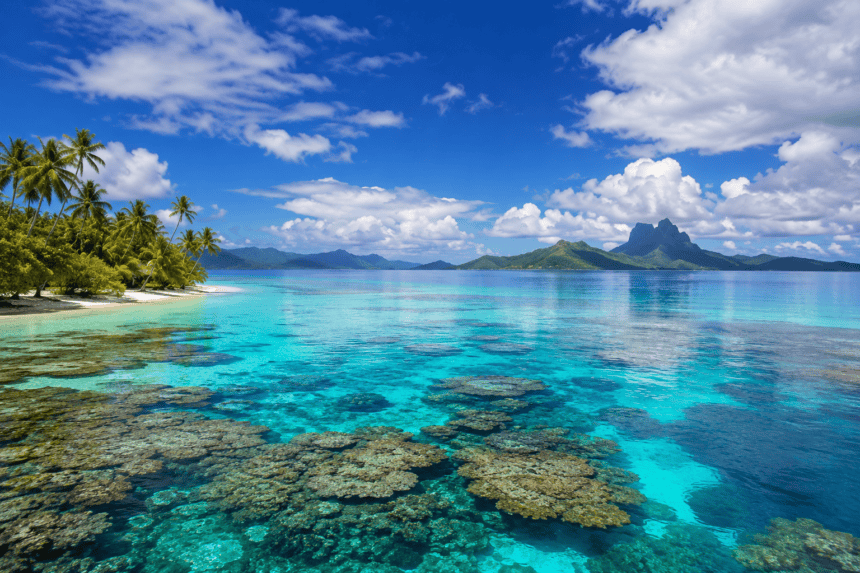
Pacific Island nations are staring down a severe food security crisis as rising ocean temperatures threaten the very ecosystems that sustain them. Scientists now warn that the shift in marine life distribution will likely strip these communities of their primary protein sources within decades.
The warming trend is pushing tuna and other vital fish stocks toward cooler, deeper waters, effectively migrating away from the Exclusive Economic Zones of nations like Kiribati, Nauru, and Tuvalu. For islands where subsistence fishing accounts for up to 90% of local protein intake, this isn’t a distant climate projection—it’s an imminent economic and nutritional collapse.
“The ocean is effectively moving,” said Dr. Johann Bell, a leading fisheries scientist who has tracked these migratory patterns for years. “These fish don’t recognize borders, but the economies that rely on them certainly do.”
The impact extends beyond the dinner plate. Many of these nations rely on fishing licenses sold to international fleets for a significant portion of their national budgets. As the fish stocks track toward the high seas or the waters of more temperate neighbors, those revenue streams will evaporate. Some projections suggest that by 2050, the loss in government revenue for certain Pacific nations could exceed 20% of their total annual income.
Local markets are already seeing the ripple effects. As domestic catches dwindle, islanders are increasingly forced to rely on expensive, imported processed foods. The result is a dual crisis: a collapse of traditional food systems and a sharp spike in diet-related health issues like diabetes and hypertension.
Governments in the region are scrambling to negotiate new maritime boundaries and push for global carbon emission cuts, but the current pace of warming outstrips these diplomatic efforts. Adaptation strategies—such as developing aquaculture or shifting to deep-sea fish aggregating devices—require capital that many of these nations simply don’t have.
For the people of the Pacific, the climate crisis is not measured in degrees Celsius, but in the empty nets arriving at the shore each morning. Without a radical shift in how the world manages these shared marine resources, the traditional way of life on these islands may become unsustainable within a single generation.