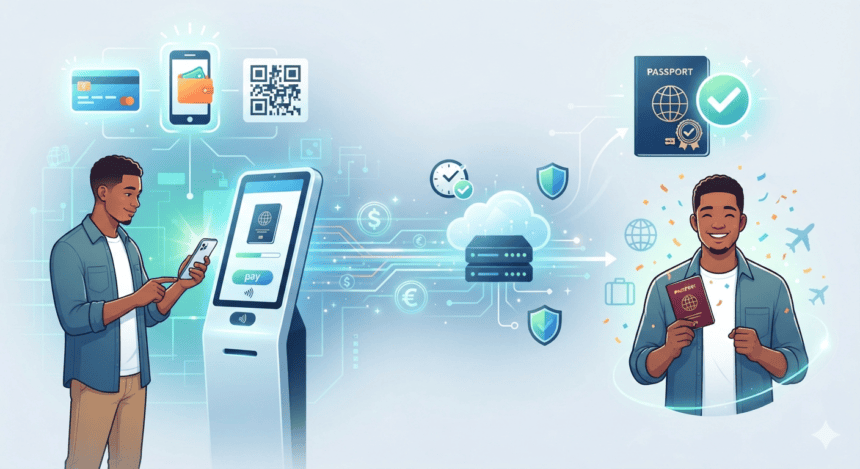
The federal government is moving to dismantle the current passport fee payment system, citing persistent public complaints regarding long queues and technical glitches. Officials confirmed the new framework aims to move the entire process toward a fully integrated digital experience.
For years, applicants have navigated a disjointed system—often requiring multiple visits to local bank branches just to secure a payment slip before reaching a passport office. The Interior Ministry’s latest directive seeks to eliminate these manual touchpoints, shifting the focus to real-time verification and automated processing.
The shift isn’t just about convenience. Internal audits revealed that the existing manual verification process creates a bottleneck at the entry point of every regional passport office. By linking the payment gateway directly to the National Database and Registration Authority (NADRA) servers, the ministry expects to reduce the initial intake time by nearly 40%.
“The goal is to stop treating the citizen like a courier between the bank and the passport office,” a senior official familiar with the plan said. “If the system can verify the payment instantly, there is no reason for the applicant to carry a physical receipt.”
Technical teams are currently stress-testing a mobile-first interface. Once live, the platform will allow users to generate a fee voucher and pay through standard banking apps, with the payment status reflecting on the passport office’s dashboard within minutes.
Despite the optimism, critics point to the lack of infrastructure in rural districts. While urban centers may see immediate relief, the reliance on stable internet connectivity remains a hurdle for applicants in remote areas who have long relied on the physical bank-to-office workflow.
The government plans to phase in the new system over the next three months, starting with major metropolitan hubs. If the rollout stabilizes, the requirement for physical payment receipts will be formally dropped by the end of the year.
For now, the ministry is keeping the old system running in parallel to prevent a total shutdown of services during the transition. For the millions of citizens waiting on travel documents, the promise of a digital fix is a welcome change — provided the servers can handle the load.