Prime Minister Shehbaz Sharif on Monday announced a Rs4 billion relief package to assess and rebuild infrastructure damaged by the devastating monsoon floods in Gilgit-Baltistan (GB). The announcement came during his day-long visit to the region, which has been grappling with intense rainfall and flash floods since late June.
The Prime Minister visited Babusar and surrounding flood-affected areas to oversee ongoing rescue and relief operations, meet victims, and distribute compensation cheques to families who lost loved ones in the disaster.
Tragic Toll and Urgent Response
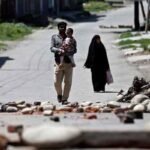
So far, 10 people mostly tourists have died, while 10 to 15 remain missing following severe flooding and landslides in the Babusar area on July 21. The natural disaster, triggered by a cloudburst, caused widespread devastation, damaging infrastructure and cutting off access routes.
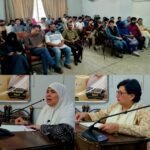
At a cheque distribution ceremony, PM Shehbaz expressed grief over the loss of lives and vowed continuous support to the affected communities. “I’ve come here to stand with the people of Gilgit-Baltistan and will continue to return until every family is resettled,” he said.
Key Announcements and Directives
Rs4 Billion Reconstruction Fund: The amount will be allocated for mapping flood damage and rebuilding critical infrastructure.
Solar Energy Project: The Prime Minister announced the activation of a 100-megawatt solar power project in GB.
Advanced Weather Warning System: PM Shehbaz ordered the swift completion of an advanced weather alert system to protect tourist hotspots and remote regions.
Foundation Laid for Daanish School: Emphasizing long-term development, the PM laid the foundation stone for a Daanish School in the region.
Strengthening Climate Resilience
Acknowledging Pakistan’s vulnerability to climate change, PM Shehbaz called for urgent, coordinated action. “Pakistan is among the top 10 countries most at risk due to climate change, despite our minimal contribution to global emissions,” he noted. He directed both federal and GB authorities to work “round the clock” to prevent future disasters through climate adaptation.
He also emphasized the key role of the Ministry of Climate Change and the NDMA in deploying early warning systems, developing resilient infrastructure, and ensuring immediate response in emergencies.
Relief and Recovery Efforts in Full Swing
During a high-level review meeting, it was revealed that:
Over 600 individuals were rescued from affected areas.
Damaged roads were promptly repaired to restore connectivity.
Five tent villages were set up for displaced residents and tourist.
10 helicopters and 2 C-130 aircraft were deployed for evacuation and relief operations.
PM Shehbaz instructed Water Resources Minister Mian Muhammad Mueen Wattoo to stay in GB to oversee long-term planning for a more efficient water management system in the region.
Strengthening Institutional Coordination
The premier emphasized the need for greater collaboration between federal institutions, provincial governments, and local departments to ensure preparedness and timely response to natural calamities. He directed the NDMA to accelerate the survey of infrastructure damage and prioritize restoration of road and communication links.
He also praised Minister for Climate Change Dr. Musadik Malik for representing Pakistan in global climate forums and securing funding for resilient infrastructure.
A Pledge to Rebuild
“This is not just about rebuilding homes and roads — it’s about restoring hope,” PM Shehbaz stated. He vowed that the government would continue to stand by the people of GB and provide all possible assistance for their recovery and resilience.