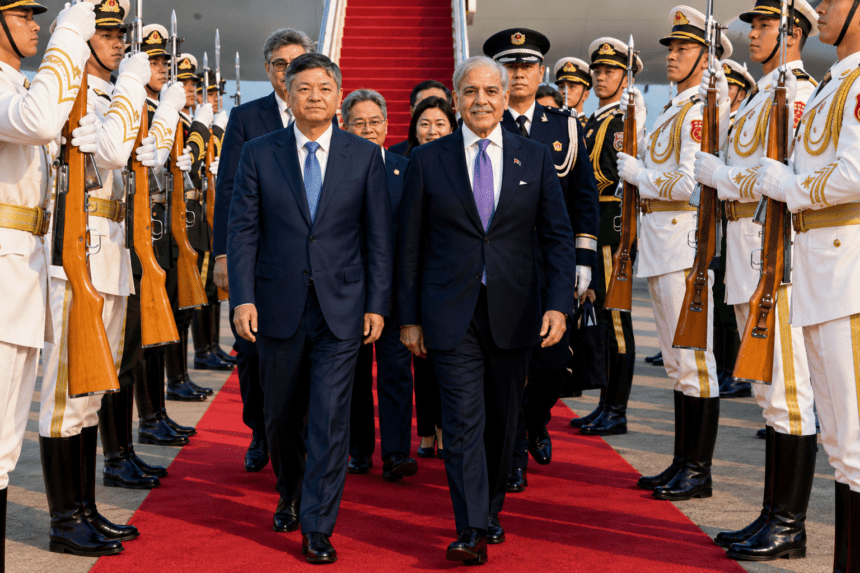
BEIJING: Prime Minister Shehbaz Sharif reached Beijing on Sunday for the most important leg of his four-day official visit to China, where he is expected to hold high-level meetings with Chinese President Xi Jinping and Premier Li Qiang.
The visit, taking place from May 23 to May 26, comes at Beijing’s invitation and carries added diplomatic weight as Pakistan and China mark 75 years of diplomatic relations this year. China’s foreign ministry has described the trip as an important high-level exchange, saying both sides will discuss bilateral ties and issues of mutual interest in the “new circumstances” facing the region.
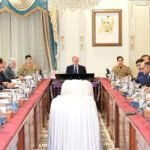
According to officials, talks in Beijing are expected to focus on deepening the Pakistan-China strategic partnership, accelerating work on the next phase of the China-Pakistan Economic Corridor, and expanding cooperation in trade, investment, industry, agriculture, science and technology.
Shehbaz’s arrival in Beijing follows his engagements in Hangzhou, where Pakistani and Chinese companies signed cooperation agreements worth $1.22 billion at the Pakistan-China Business Conference. The Prime Minister’s Office said the deals covered business and investment cooperation, while Shehbaz also met representatives of major Chinese firms, including CATL, StarCharge, Sheng Huo Neng Yuan Ke Ji and Xiuzheng Pharmaceutical Group.
For Islamabad, the business conference offered a useful opening before the political talks in Beijing. Pakistan is trying to draw more Chinese investment into sectors beyond traditional infrastructure, especially electric vehicles, energy storage, pharmaceuticals, agriculture and industrial relocation. Frankly, that is where the real test of this visit lies: not in warm statements, which both capitals already have plenty of, but in whether fresh commitments can turn into actual projects on the ground.
The Beijing meetings are also expected to touch on regional security. China has repeatedly urged greater protection for its citizens and projects in Pakistan, especially those linked to CPEC. Previous attacks on Chinese workers have made security a central concern in bilateral economic planning, and Islamabad has been under pressure to show that it can provide a safer environment for Chinese companies and personnel.
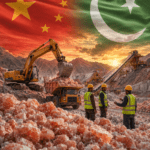
CPEC remains the backbone of Pakistan-China economic cooperation. The multibillion-dollar corridor, part of China’s Belt and Road Initiative, links China’s Xinjiang region with Pakistan’s Gwadar port through roads, energy projects and industrial infrastructure. Pakistan now wants to push CPEC into a second phase, with more emphasis on industrial zones, exports, agriculture modernization and job creation.
The timing of the visit is significant too. China has taken a more visible diplomatic role in the region in recent months, including mediation efforts between Pakistan and Afghanistan after a flare-up in cross-border tensions earlier this year. Beijing’s stakes are clear: instability in Pakistan or Afghanistan can directly affect Chinese investments and regional connectivity plans.
Officials in Islamabad are presenting the visit as another step in strengthening what both countries often call an “all-weather” partnership. Still, the agenda this time looks more practical than ceremonial. Pakistan needs investment, exports and industrial growth. China wants stability, security and reliable delivery on agreed projects.
The coming meetings with President Xi and Premier Li will likely set the tone for how both sides move forward — especially on CPEC Phase-II, Chinese private-sector investment and Pakistan’s ability to convert diplomatic goodwill into economic results.