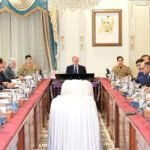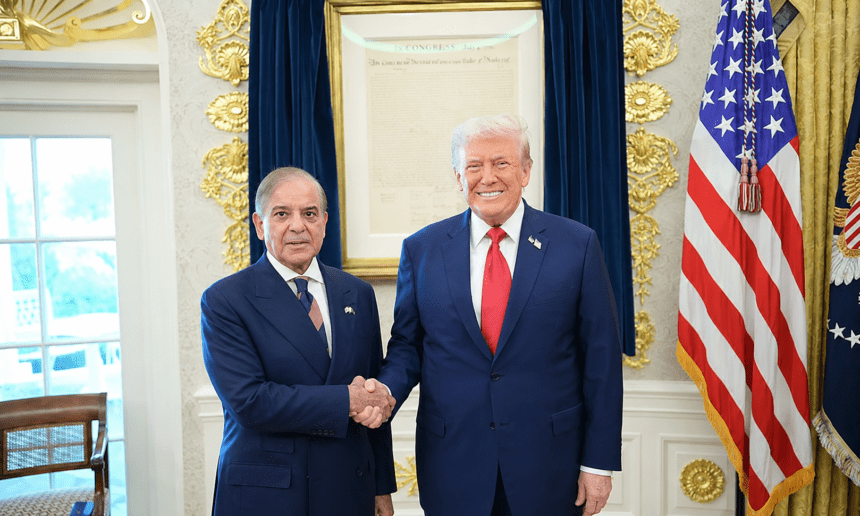
ISLAMABAD, May 24, 2026: Prime Minister Shehbaz Sharif on Sunday praised US President Donald Trump for what he called “extraordinary efforts to pursue peace,” after a high-level phone call involving leaders and representatives from several Muslim and regional countries, including Pakistan’s Chief of Defence Forces Field Marshal Asim Munir.
According to reports, the call included representatives from Saudi Arabia, Qatar, Turkiye, Egypt, the United Arab Emirates, Jordan and Pakistan. Shehbaz described the conversation as “very useful and productive,” saying Trump’s diplomatic push had opened a fresh window for de-escalation at a time when tensions around Iran and the Strait of Hormuz remain a major concern for the region and the global economy.
The prime minister also appreciated Field Marshal Asim Munir’s role, saying Pakistan’s military leadership had remained actively engaged in efforts aimed at reducing tensions and encouraging dialogue. Pakistan, by all accounts, is trying to position itself not just as a concerned regional player, but as a serious diplomatic bridge between Washington, Tehran and key Gulf capitals.
The latest call came as Trump claimed that a proposed understanding with Iran was “largely negotiated.” The reported framework is aimed at ending the conflict, reopening the Strait of Hormuz and moving toward wider regional talks. However, the agreement has not yet been finalized, and Iranian-linked reporting has pushed back against parts of Trump’s version, making it clear that the process is still fragile.
The Strait of Hormuz remains central to the crisis because of its importance to global oil movement. Any prolonged closure or disruption there can send immediate shockwaves through energy markets. That is why the current round of diplomacy has drawn attention far beyond the Middle East.
For Pakistan, the diplomatic moment carries added weight. Islamabad has repeatedly backed negotiations over confrontation and has offered to host the next round of talks “very soon,” according to international reporting. The move, frankly, gives Pakistan a chance to project influence at a time when regional security, energy stability and Muslim-world diplomacy are all tied together.
Still, the path ahead is not simple. The proposed arrangement reportedly includes a ceasefire extension, a phased reopening of the strait, possible sanctions relief and future talks on Iran’s nuclear programme. Each of those issues is politically sensitive, and even one disagreement could slow the process down.
Shehbaz’s remarks suggest Islamabad is backing Trump’s initiative publicly while also highlighting Pakistan’s own role in the process. Whether this turns into a durable peace arrangement will depend on what happens next: Iran’s formal response, Washington’s guarantees, and the willingness of regional states to keep the diplomatic channel alive.