Lahore: A Punjab Assembly standing committee has approved the Punjab Child Marriage Restraint Bill 2026 at the committee stage, backing a proposal to set 18 as the minimum legal age of marriage for both males and females in the province. If passed by the full assembly, the move would replace the previous legal framework, which set the minimum age at 18 for men and 16 for women.
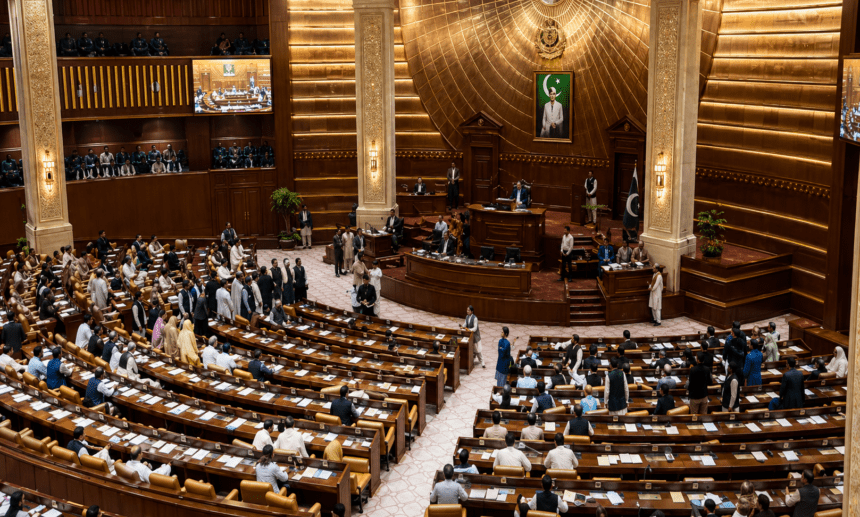
The bill was approved by the Standing Committee on Local Government and Community Development on April 13 and will now be presented before the Punjab Assembly for final approval. This step is crucial, as the related ordinance promulgated earlier this year will lapse unless it is formally enacted into law. Official assembly records still list the bill as under consideration, making it clear that it has cleared the committee stage but has not yet been passed by the full House.
The proposed law is based on the Punjab Child Marriage Restraint Ordinance 2026, published in the Punjab Gazette on February 11, 2026. The ordinance defines a child as any person under 18 years of age, regardless of gender, and states that it came into force immediately across Punjab. It also repeals the earlier Child Marriage Restraint Act of 1929 in the province.
The legal changes carry strict penalties. Nikah registrars who facilitate underage marriages could face up to one year in prison and a fine of Rs100,000. An adult who marries a child may be punished with two to three years of rigorous imprisonment and a fine of up to Rs500,000. Cohabitation in a child marriage is treated as child abuse, carrying five to seven years in prison and a minimum fine of Rs1 million.
The law also extends liability beyond the couple. Guardians or individuals who promote, permit, or fail to prevent an underage marriage can face two to three years in prison and fines of up to Rs500,000. Offences under the proposed framework are classified as cognisable, non-bailable and non-compoundable, with cases to be tried by Courts of Session and concluded within 90 days.
Supporters say the measure aims to remove gender disparity in marriage laws and strengthen child protection. The ordinance’s statement of objects and reasons states that the reform is intended to modernise child protection laws, eliminate discrimination, and penalise practices linked to child marriage, abuse and trafficking.
However, the committee stage saw some opposition. Committee Chair Pir Ashraf Rasool and member Zulfiqar Shah raised concerns, arguing the proposal could conflict with constitutional and religious considerations. Shah also suggested allowing exceptions based on socio-economic conditions, but other members opposed the idea, warning it could lead to misuse.
The key point is that Punjab has moved a step closer to setting 18 as the minimum marriage age for both genders, but the bill has not yet been passed by the full provincial assembly