A fresh demand has been raised in Punjab to strictly enforce compulsory Quran education in all private schools across the province, reigniting debate over religious education standards in Pakistan’s education system.
According to reports, a formal application has been submitted to the Punjab School Education Department urging authorities to immediately ensure the implementation of mandatory Quran teaching laws in private educational institutions. The request was filed by Syed Ahsan Mahmood, a member of the Punjab Quran Board and President of Anjuman Nashiran-e-Quran.
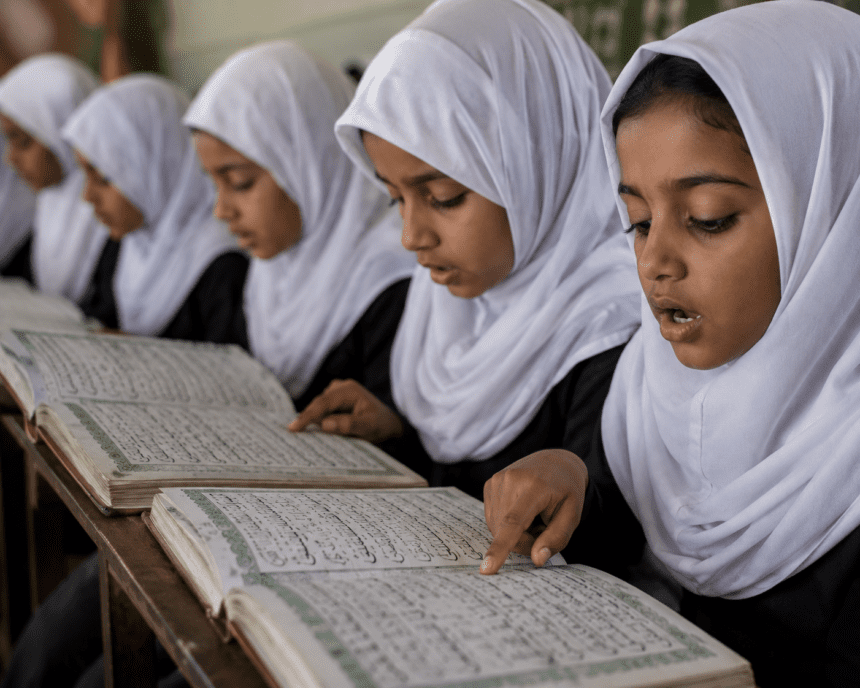
Under the existing Punjab law, Nazra Quran is compulsory for students from Grade 1 to Grade 5, while Quran translation classes are mandatory from Grade 6 to Grade 12. Punjab became the first province in Pakistan to formally introduce compulsory Quran education through legislation aimed at integrating Islamic studies into mainstream education.
However, the complaint alleges that many private schools are still not fully implementing the curriculum. According to the application, several institutions either do not teach Nazra Quran properly or lack arrangements for teaching Quran translation classes, particularly in middle and secondary grades.
The applicant argued that while government schools have largely adopted the required syllabus, enforcement in the private sector remains weak. He called on the School Education Department to take immediate action to ensure equal religious education opportunities for all Muslim students studying in Punjab, regardless of whether they attend public or private schools.
Officials from the Punjab School Education Department reportedly acknowledged the importance of the issue and stated that effective measures could soon be introduced to improve implementation and monitoring.
The issue has sparked mixed reactions online. Supporters say Quran education is a constitutional and moral responsibility that should be implemented uniformly across all schools. Others argue that private institutions may face challenges related to staffing, scheduling, and balancing academic workload alongside compulsory religious studies.
The debate also comes amid broader discussions about curriculum regulation, private school oversight, and the role of religious education within Pakistan’s academic framework. Punjab’s Quran education law has remained a significant part of educational policy since its introduction, and authorities now face increasing pressure to ensure stricter compliance across the private education sector.