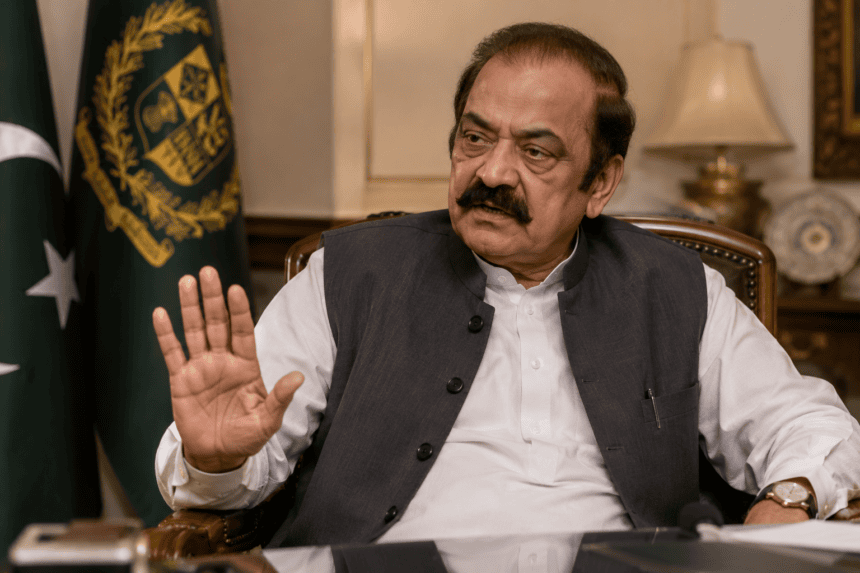
The Pakistan Muslim League-Nawaz (PML-N) has effectively shut the door on immediate discussions regarding the creation of new provinces. Senior party leader Rana Sanaullah told reporters that any talk of administrative restructuring is currently premature and lacks the necessary political consensus.
Sanaullah’s dismissal arrives as opposition parties and regional nationalist groups have increasingly pushed for the division of Punjab and the creation of a South Punjab province. Proponents argue that smaller administrative units improve governance and resource distribution, yet the PML-N remains anchored to the status quo.
The party’s stance isn’t just about administrative preference; it’s a calculated political maneuver. By labeling the debate “premature,” Sanaullah is signaling that the federal government has no intention of engaging with a demand that could fracture their core power base in Punjab.
“The focus right now is on economic stability,” he said, deflecting questions about the constitutional requirements for new provincial setups. He noted that the country’s current fiscal crisis leaves no room for the massive administrative overhaul that creating new provinces would necessitate.
Critics argue this is a convenient way to dodge a long-standing constitutional demand. The Pakistan Tehreek-e-Insaf (PTI) and other groups have long campaigned on the promise of a separate province, framing it as a matter of basic representation for the neglected southern districts. For these groups, Sanaullah’s “premature” tag is simply code for “never.”
The constitutional path to creating a new province is grueling. It requires a two-thirds majority in both the National Assembly and the provincial assembly—a threshold the current ruling coalition is nowhere near meeting without significant cooperation from the opposition.
For now, the PML-N is banking on the hope that public appetite for the issue will dwindle as the government pivots back to inflation and energy costs. Whether that strategy holds as pressure mounts from regional stakeholders remains to be seen.