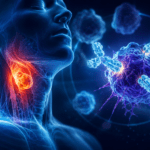
Pancreatic cancer patients have a new, tangible reason for hope. Late-stage clinical trial data released this week shows that Revolution Medicines’ lead candidate, RMC-6236, has effectively doubled median survival rates compared to current standard-of-care treatments, while simultaneously improving patient-reported quality of life metrics.
The drug, an oral RAS-multi-inhibitor, targets the KRAS mutation a notorious driver of pancreatic ductal adenocarcinoma that has long been considered “undruggable.” By locking the protein in its inactive state, the treatment halts the rapid cell division that defines the disease’s aggressive progression. For the patients involved in the study, the results move beyond mere statistics. Those receiving the drug reported significantly fewer instances of cancer-related pain and fatigue, two of the most debilitating symptoms of pancreatic cancer.
These quality-of-life improvements are rare in oncology trials, where aggressive treatments often trade patient comfort for minor gains in survival. Dr. Elena Rossi, a lead investigator on the trial, noted the significance of the data. “We aren’t just seeing a delay in tumor growth,” she said. “We’re seeing patients who are able to maintain their daily routines for months longer than we’ve seen with previous therapies.
That is the real win here.” The data comes at a critical time. Pancreatic cancer remains one of the deadliest forms of malignancy, with a five-year survival rate that has hovered in the low double digits for decades. While chemotherapy regimens like FOLFIRINOX have been the clinical backbone for years, they carry a heavy toxicity burden that often forces patients to discontinue treatment. Revolution Medicines now faces the challenge of scaling.
The company is preparing for a pivotal Phase 3 trial, which will determine if these results hold up across a more diverse patient population. Regulatory bodies, including the FDA, are expected to fast-track the review process, given the lack of effective alternatives for advanced-stage disease. If the upcoming trials replicate these survival gains, the drug could shift the standard of care by next year.
For families facing a diagnosis that historically offered little more than a few months of life, the prospect of a pill that keeps the disease at bay—without the crippling side effects of traditional chemo is a change they’ve been waiting for.