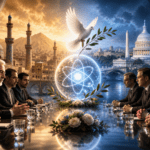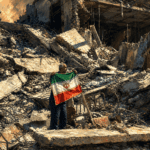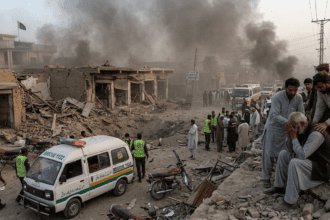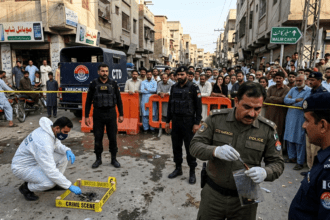
The proposed security framework between Washington and Islamabad faces a mounting crisis as a surge in militant attacks across Pakistan’s border regions threatens to unravel diplomatic progress. What was intended to be a strategic partnership aimed at regional stability is now being overshadowed by the realities on the ground: a resurgence of TTP-led violence and a hardening stance from the Afghan Taliban.
For the Biden administration, the pact is a calculated play to maintain counter-terrorism leverage in a region where U.S. presence has dwindled since the 2021 withdrawal. The goal? Bolster Pakistan’s internal security to prevent the resurgence of transnational terror cells. But the plan relies on a stable partner, and right now, Pakistan is struggling to contain a domestic insurgency that shows no signs of cooling.
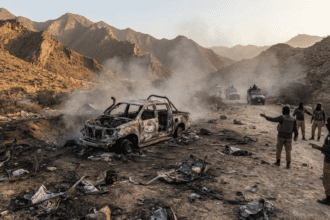
The stakes are immediate. In the last six months, attacks on military outposts in Khyber Pakhtunkhwa have spiked, claiming dozens of lives. These aren’t just isolated skirmishes; they are organized, tactical strikes that expose the limits of Pakistan’s current security apparatus. Analysts in Washington are whispering a blunt truth: if Pakistan can’t secure its own borderlands, the U.S. appetite for deep, long-term military cooperation will evaporate.
“The security environment has shifted from manageable to volatile,” said a former State Department official familiar with the negotiations. “You can’t build a foundation on shifting sand. If the violence continues at this pace, the political cost of this partnership will become too high for the White House to justify.”
Pakistan’s finance ministry is also watching the clock. The country’s fragile economy desperately needs the stability that comes with international backing, yet the cost of the internal security operations is bleeding the national budget dry. They are trapped in a feedback loop—they need the U.S. deal to stabilize the country, but the chaos in the border regions is driving the U.S. to reconsider the scope of that very commitment.
The Afghan Taliban’s refusal to curb the TTP’s activities—and their recent rhetoric claiming the insurgency is an internal Pakistani problem—has effectively killed the hope that the Kabul regime would act as a buffer. This leaves Islamabad looking to Washington for intelligence and tactical support, while Washington remains wary of being dragged into a localized conflict with regional implications.
As the next round of talks approaches, the friction is palpable. Both sides are staring at a map that looks increasingly different from the one they started with a year ago. A deal might still be signed, but if the militants continue to dictate the pace of operations in the borderlands, the ink may dry on a document that is already obsolete.