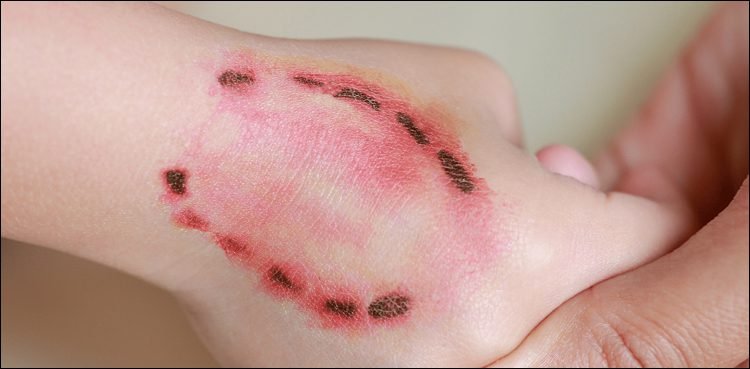
A study conducted on 100 dog bite victims in Karachi has revealed that traces of rabies virus RNA were found in the wounds of 64 individuals.
Researchers have termed the risk of rabies virus transmission in dog bite cases in the Korangi area of Karachi as alarming. During the study of 100 victims, the virus was found in most cases.
According to the research published on April 10 in the journal ScienceDirect, researchers stated that traces of the rabies virus were present in the wounds of nearly 6 out of every 10 individuals. If these affected individuals had not received timely vaccination, they could have developed rabies.
Researchers said that once symptoms of rabies appear, the disease becomes almost 100 percent fatal, which is why several people die from rabies every year in Pakistan. They added that even a delay of a few hours in vaccination can prove dangerous.
It is noteworthy that this is an advanced diagnostic method in which experts from Indus Hospital Karachi and the Netherlands successfully detected the presence of the virus through PCR testing using wound swab samples. The research showed that a one-week modern vaccination course was successful in developing immunity in 93 percent of patients.
This study was conducted in collaboration between Indus Hospital and Health Network Karachi and Erasmus Medical Center Netherlands, with the primary objective of early and accurate detection of rabies virus presence in the human body after dog bites.
Traditionally, the diagnosis of rabies has been a difficult process, but in this new study, the virus was successfully detected through swab samples taken from the patient’s wound. This method is not only simple but also helps improve the treatment process.
Researchers found that the rabies virus can remain at the wound site for a long time, and the study confirmed that the use of modern preventive vaccines is highly effective. In approximately 93 percent of patients, the necessary antibodies were developed within one week of vaccination.
This study is a major success in the global fight against rabies, especially for countries like Pakistan where dog bite incidents are common.