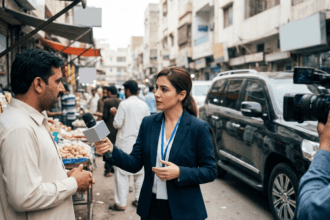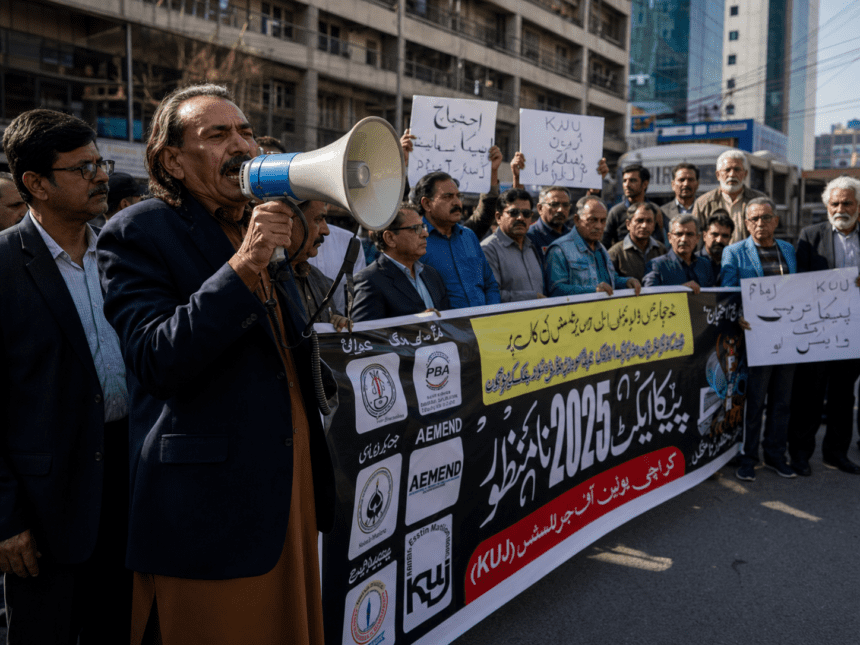
Journalists across the globe face an increasingly hostile climate as authoritarian regimes and digital surveillance tools combine to stifle reporting. Major international media watchdogs are now sounding the alarm, warning that the fundamental right to freedom of expression is eroding at an unprecedented rate.
The concerns stem from a recent surge in targeted harassment, legal intimidation, and physical threats against reporters. From the detention of correspondents in conflict zones to the use of “anti-state” legislation to silence local investigative outlets, the tools of suppression have evolved.
“We are witnessing a systematic dismantling of the guardrails that protect independent thought,” said a spokesperson for the Committee to Protect Journalists. “Governments are no longer just censoring content; they are dismantling the infrastructure of journalism itself.”
The data supports this grim assessment. Recent tracking by Reporters Without Borders indicates that nearly two-thirds of the world’s countries now classify their media environment as “bad” or “problematic.” Digital surveillance—often masked as national security legislation—has become the primary weapon of choice. Governments are increasingly using sophisticated spyware to track sources, compromising the anonymity that is the bedrock of investigative reporting.
The impact stretches beyond the newsroom. When journalists are silenced, the public loses its primary mechanism for holding power to account. In regions where media independence has been compromised, corruption metrics consistently rise, and policy transparency vanishes.
This decline isn’t confined to autocratic states. Even in established democracies, rhetoric from political leaders labeling journalists as “enemies of the state” has emboldened fringe actors. This shift in discourse has led to a spike in online harassment campaigns, particularly targeting female journalists and those reporting on minority rights.
Media bodies are now calling for a coordinated international response, urging G20 nations to tie trade and diplomatic relations to the protection of press rights. Without concrete policy shifts, the ability for the public to access verified, independent information will continue to wither.
The window to reverse this trend is closing, and for many journalists on the front lines, the next headline could be their last.