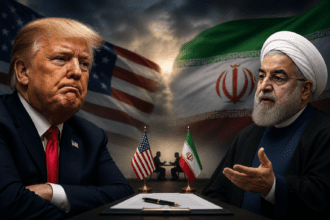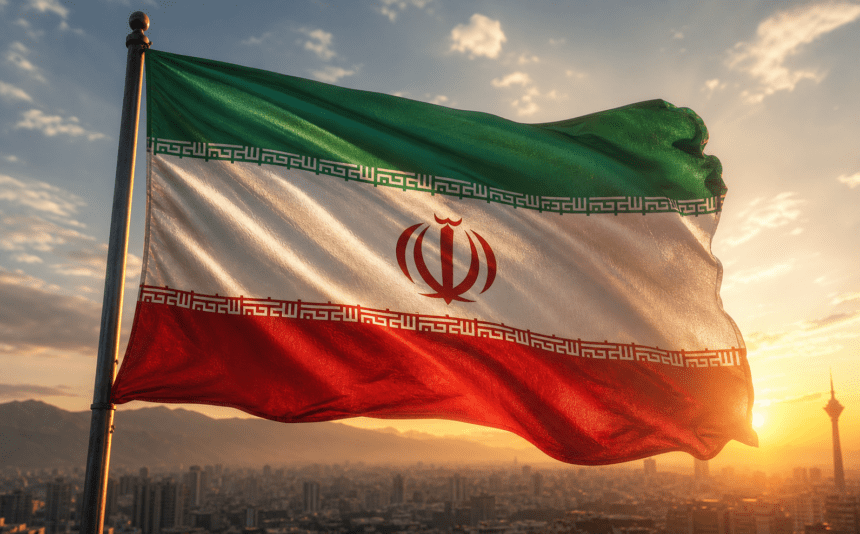
Tehran is showing new flexibility in nuclear negotiations with Washington, according to reports from Al Arabiya. The development comes as both nations navigate a period of heightened regional tension and stalled diplomatic channels.
The shift suggests Iranian negotiators may be willing to revisit terms that were previously deemed non-negotiable. While the specifics of the proposed adjustments remain guarded, the move signals a departure from the rigid posturing that has characterized the talks for months.
White House officials have yet to provide a formal response to the reported overture. Behind the scenes, however, diplomatic corridors in Vienna and beyond are buzzing with speculation about whether this is a genuine breakthrough or a strategic pause meant to alleviate mounting economic pressure at home.
For the Iranian leadership, the stakes are high. The domestic economy continues to buckle under the weight of international sanctions, and the promise of relief remains the primary driver behind any engagement with the US.
“We are watching the signals closely,” one Western diplomat noted, speaking on the condition of anonymity due to the sensitive nature of the discussions. “A change in rhetoric is one thing; a change in verified nuclear activity is entirely another.”
The history of these talks is littered with similar moments of “cautious optimism” that eventually evaporated. The 2015 Joint Comprehensive Plan of Action (JCPOA) remains the benchmark, though it currently exists in name only. Tehran’s willingness to discuss terms suggests they are feeling the squeeze of the current status quo, even if they aren’t ready to abandon their nuclear ambitions entirely.
Whether this flexibility translates into a tangible agreement remains the central question. For now, the administration in Tehran is betting that a measured, conciliatory tone might be enough to open a door that had been firmly bolted shut.