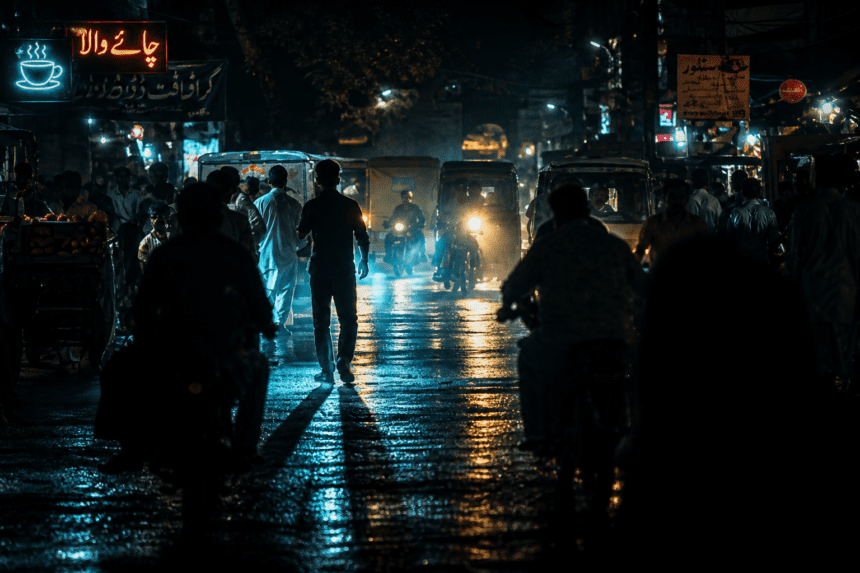
Karachi is sweltering under a relentless heatwave, with temperatures crossing 40°C while residents endure rolling power cuts that stretch for hours. The city’s aging grid is failing to keep pace with record-breaking demand, leaving millions trapped in high-humidity conditions without fans or cooling systems.
K-Electric, the city’s primary power provider, cites fuel shortages and technical faults across the distribution network. Residents in districts like Lyari, Korangi, and Surjani Town report being without electricity for up to 10 hours a day. For these neighborhoods, power isn’t just a convenience—it’s a lifeline against heatstroke.
“The grid is crumbling, but the bills keep climbing,” said Ahmed Raza, a shopkeeper in Saddar. He spent his morning throwing out spoiled dairy products. “We can’t keep the refrigerators running, and we can’t sleep at night. It’s a slow-motion disaster.”
Medical centers are already recording a spike in heat-related illnesses. Jinnah Postgraduate Medical Centre (JPMC) reported an influx of patients suffering from dehydration and heat exhaustion since Tuesday. Doctors say the situation will worsen if the nighttime temperatures don’t drop, as there is no respite for the body to recover from the day’s heat.
The provincial government has traded barbs with the power utility, demanding an immediate end to “unannounced load-shedding.” Yet, these disputes offer little relief to the public. K-Electric maintains that it is struggling with a “generation gap” caused by delayed payments and fuel supply chain bottlenecks.
As the mercury climbs, the city’s infrastructure is hitting a breaking point. The cycle of outages has triggered sporadic protests in several neighborhoods, with residents blocking main roads to demand accountability.
With the heatwave expected to persist through the weekend, the city’s vulnerability is clear. There is no backup for a grid that has run out of capacity, and for many in Karachi, the next few days will be a matter of endurance.