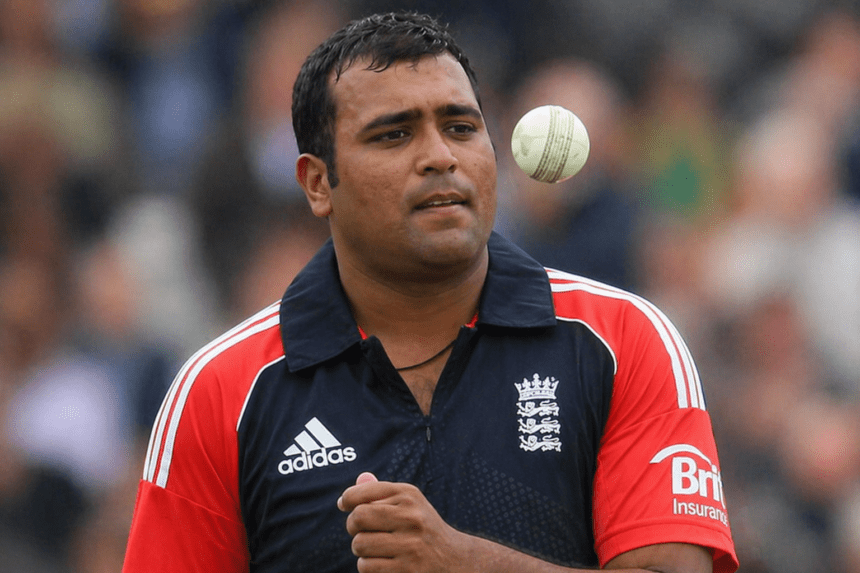
Former England all-rounder Samit Patel has announced his retirement from domestic cricket, drawing the curtain on one of the most substantial county careers of his generation just days after being barred from this season’s T20 Blast. Nottinghamshire confirmed the decision on April 24, 2026, saying Patel had ended a 24-year county career after scoring more than 21,000 runs and taking over 700 wickets for the club.
The timing is the part that gives the story its sting. Earlier this week, Patel and former Australia seamer Peter Siddle were blocked from playing in the 2026 T20 Blast because of their involvement in the World Legends Pro T20 League in Goa, a competition described in reports as “disapproved” under ECB rules. ESPNcricinfo reported that the two were ruled out after appearing in the unsanctioned veterans’ event earlier this year.
Patel’s retirement, then, is not just a routine end-of-career announcement. It lands with a sense of unfinished business. He had still been around the county circuit, still visible, still useful, and by all appearances still willing to keep going a bit longer. Instead, a regulatory issue has become the final chapter in England’s domestic game for a player who spent more than two decades shaping it.
And what a career it was. Nottinghamshire’s tribute reads like a roll call of county success: two County Championship titles, two T20 Blast crowns and two domestic one-day trophies. In 2017 alone, Patel was central to Notts’ white-ball double, won man of the match in the T20 Blast final, and became the first Nottinghamshire batter to post back-to-back double centuries in the Championship. He later became the first English player to complete the T20 double of 5,000 runs and 250 wickets.
There’s an England dimension too, even if his international career never fully matched the scale of his county record. Patel played 60 times for England across formats, and Nottinghamshire’s statement made clear how highly he is regarded at Trent Bridge. Director of Cricket Mick Newell said Patel’s achievements had earned him a place not only in the club’s history but also “in the affections of all who follow the domestic game.”
What makes this retirement notable is that it feels bigger than a single player stepping away. Patel belongs to that fading class of county cricketers who built reputations over seasons, not social media clips; who could win a four-day game, then turn up in a T20 and do damage there too. He was never just a bits-and-pieces cricketer, despite how often that label floats around all-rounders. At his best, he could control matches with left-arm spin, break one open with the bat, and bring a kind of edge that teams quietly rely on. That broader arc of his career is reflected in Nottinghamshire’s account of his long run from teenage prospect to club great.
The ECB-related ban will naturally become part of the headline history, because that’s how news works. But it probably shouldn’t be the whole story. Patel’s domestic legacy was already secure long before this week: silverware, huge numbers, longevity, and a reputation as one of county cricket’s most effective competitors. The ban may have hastened the ending. It did not define the career.