Federal Minister for Climate Change Sherry Rehman has accused India of using transboundary water flows as a tool of aggression, claiming that the release of water into the Sutlej and Ravi rivers is exacerbating Pakistan’s flood crisis without prior notification.
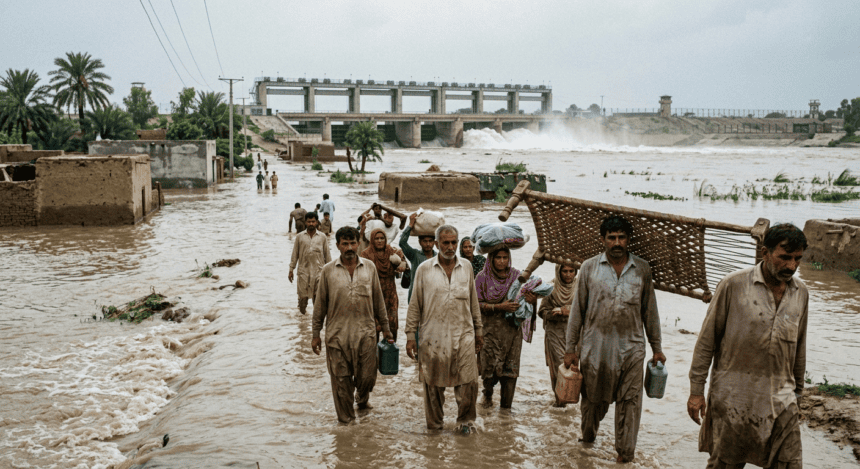
The minister’s comments come as thousands of people in low-lying areas of Punjab face displacement. The sudden influx of water has overwhelmed local drainage systems, forcing emergency evacuations in districts bordering the Indian frontier.
Rehman described the move as a breach of established protocols. She argued that the lack of data-sharing during critical monsoon windows isn’t just a technical oversight — it’s a deliberate strategy that leaves downstream communities in Pakistan with almost no time to prepare for inundation.
“India is weaponizing the water,” Rehman told reporters in Islamabad. “They aren’t sharing the data, and they aren’t giving us the lead time we need to save lives and property.”
The Indus Waters Treaty, signed in 1960, mandates a level of cooperation between the two neighbors regarding the management of shared rivers. While the treaty has survived multiple wars and decades of diplomatic frost, the mechanism for sharing flood-related hydrological data has become increasingly strained.
Critics of the current arrangement point to the lack of a modern, real-time communication channel. When tensions spike, the technical exchange of water flow data often becomes the first casualty of the diplomatic standoff.
For the residents of Kasur and surrounding riverine belts, the political blame game offers little solace. They are currently dealing with the destruction of standing crops and the loss of livestock. The water isn’t just a geopolitical issue for them; it’s an immediate threat to their livelihoods.
India has historically maintained that its dam operations are dictated by its own internal flood management requirements and that it provides data to Pakistan whenever possible. However, the recurring nature of these complaints suggests a fundamental breakdown in the trust required to manage a shared geography.
As the monsoon season continues, the volatility of these river systems remains high. Without a renewed commitment to transparent data sharing, the next spell of heavy rain will likely trigger another round of accusations — and another cycle of displacement for those living along the banks.