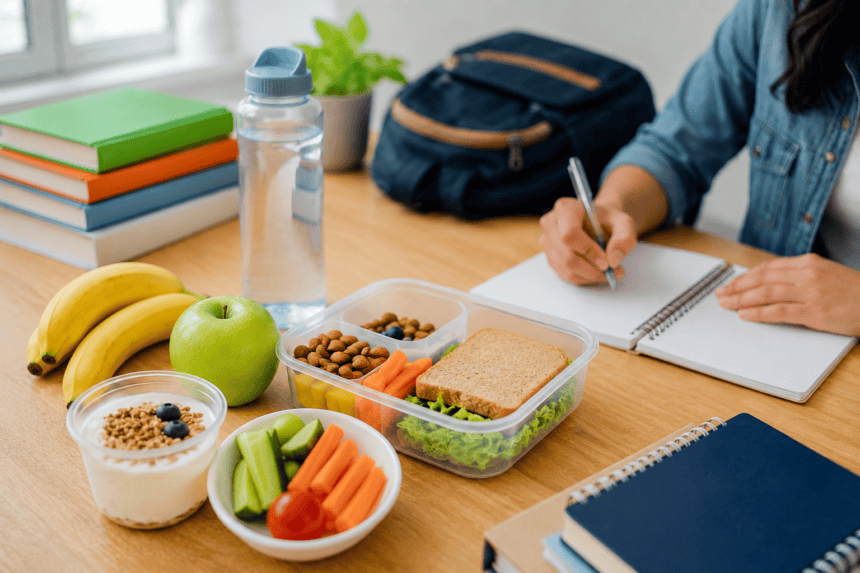
Student life can be busy, with classes, assignments, exams, and social activities competing for attention. When schedules become hectic, healthy eating is often one of the first things students neglect. Skipping breakfast, relying on fast food, eating late at night, and drinking sugary beverages can gradually affect energy levels and concentration.
Healthy eating does not have to be complicated or expensive. A few simple habits can help students get the nutrients they need while keeping meals practical and enjoyable.
1. Start the Day With a Healthy Breakfast
Breakfast can be an easy way to begin the day with nutritious foods. Students who skip breakfast may find themselves extremely hungry later and more likely to choose convenient, less nutritious options.
Quick choices include:
- Eggs with whole-grain bread
- Oatmeal topped with fruit
- Yogurt with nuts and berries
- A banana with peanut butter
- Whole-grain cereal with milk
Choose a combination of protein, whole grains, and fruit when possible.
2. Eat More Fruits and Vegetables
Fruits and vegetables provide vitamins, minerals, fiber, and other nutrients that support overall health.
Students can make this habit easier by keeping fruit readily available. Add bananas or apples to breakfast, include vegetables with lunch and dinner, or keep carrots and cucumbers as convenient snacks.
Try to include different colors of fruits and vegetables throughout the week.
3. Choose Healthy Snacks
Long classes and study sessions can make students hungry between meals. Instead of regularly choosing chips, sweets, or other highly processed snacks, keep nutritious alternatives nearby.
Good options include:
- Fresh fruit
- Nuts and seeds
- Yogurt
- Roasted chickpeas
- Popcorn without excessive salt or butter
- Vegetable sticks with hummus
- Homemade sandwiches
Preparing snacks in advance can make healthier choices much easier.
4. Drink More Water
Students sometimes mistake thirst for hunger or simply forget to drink enough water during a busy day.
Carry a reusable water bottle to school, college, or university. Water is generally the best everyday beverage, while sugary drinks should be limited.
Adding lemon, cucumber, or mint can make plain water more appealing if you prefer flavored drinks.
5. Do Not Depend Too Much on Fast Food
Fast food can be convenient when students are short on time, but eating it frequently may make it harder to maintain a balanced diet.
You do not have to completely avoid your favorite foods. Instead, try to balance them with healthier choices. For example, choose grilled foods instead of fried options, add vegetables when available, and choose water instead of a sugary drink.
6. Include Protein in Your Meals
Protein helps support muscles and can make meals more satisfying. Students can get protein from both animal and plant-based foods.
Useful options include eggs, milk, yogurt, chicken, fish, beans, lentils, chickpeas, nuts, and seeds.
Adding a protein source to breakfast or lunch can help create a more balanced meal.
7. Choose Whole Grains More Often
Whole grains contain more fiber and nutrients than refined grains. Whenever possible, students can choose whole-grain bread, oats, brown rice, or other whole-grain foods.
For example, replace white bread with whole-grain bread for sandwiches or choose oatmeal instead of heavily sweetened breakfast cereals.
8. Avoid Skipping Meals
Skipping meals can leave students extremely hungry later in the day. This may make it easier to overeat or choose foods mainly for convenience.
If you have a busy schedule, prepare simple meals ahead of time. A sandwich, fruit, yogurt, boiled eggs, or a homemade lunch can be much easier to manage than waiting until you are extremely hungry.
9. Be Careful With Sugary Drinks
Soft drinks, sweetened juices, flavored coffees, and energy drinks can add significant amounts of sugar to the diet.
Instead, choose water, unsweetened milk, or other lower-sugar options more often. If you enjoy sweet beverages, keeping them as an occasional choice can help reduce excessive sugar intake.
10. Limit Late-Night Junk Food
Studying late at night can lead to frequent snacking. While an occasional snack is fine, regularly eating large amounts of fried or sugary foods late at night may interfere with healthy eating habits.
If you need a study snack, consider fruit, yogurt, nuts, or a small homemade sandwich.
11. Practice Portion Awareness
Healthy food can still contribute to excessive calorie intake if portions are consistently very large.
Try eating slowly and paying attention to hunger and fullness. Using a balanced plate—with vegetables or fruit, a protein source, and a whole-grain or other carbohydrate source—can be a simple way to build meals.
12. Plan Meals Around Your Schedule
Students often eat poorly because they have not planned ahead. Spending a few minutes planning meals and snacks for the next day can make a major difference.
Before leaving home, pack a water bottle, fruit, and a nutritious snack. If you know you will be on campus all day, prepare lunch rather than relying entirely on vending machines or fast-food restaurants.
13. Do Not Aim for a Perfect Diet
Healthy eating does not mean giving up pizza, burgers, desserts, or other favorite foods forever. The goal is balance.
Enjoy treats occasionally while making nutritious foods the foundation of your everyday diet. One unhealthy meal does not ruin your overall eating pattern, just as one healthy meal cannot make up for consistently poor nutrition.
Final Thoughts
Healthy eating can be simple even when student life is busy. Eating regular meals, choosing more fruits and vegetables, drinking enough water, including protein and whole grains, and preparing snacks in advance can help students develop better eating habits.
The key is to make small changes that are realistic and sustainable. A balanced diet, combined with adequate sleep and regular physical activity, can support students’ energy, concentration, and overall well-being throughout their academic journey.